Organic Cotton Underwear: Is It Better? | Lela Organic Review (NZ + AU)
What Your Underwear Is Really Made Of (And Why It Might Matter More Than You Think)
I’ve cared about fabric for a long time.
Since watching The True Cost back in 2015 and diving deep into ethical fashion, I’ve been intentional about what I put against my skin. Organic cotton clothes. Natural fibres. Thoughtful basics. For over a decade I’ve understood that fabric isn’t just aesthetic; it’s environmental, ethical, and personal.
And underwear is the most intimate layer of all.
It sits against our most sensitive skin for 8–12 hours a day. Through hot nights. Through long workdays. Through life.
I’ve been wearing organic cotton for years because once you understand what synthetic fibres are and how they’re made, you can’t really unlearn it. I’m passionate about more people understanding this conversation - not in a fear-based way, but in an informed, empowered way.
When we talk about ethical fashion, we often focus on dresses and denim. But the real starting point? What’s closest to our skin. Underwear was actually what I started changing first when I learnt about sustainable fashion all those years ago.
Let’s zoom out before we zoom in.
What Most Underwear Is Made From
The majority of bras and underwear sold globally are made from synthetic blends - typically polyester, nylon, and elastane (spandex). These fabrics are petroleum-derived. They’re stretchy. Durable. Affordable. Easy to mass produce. That’s why they dominate the industry. There’s nothing inherently villainous about synthetic fibres; they’ve made activewear more wearable, they hold shape well, and they’re strong.
But there are two important conversations attached to them.
1. Synthetic Textiles & Microplastics
Synthetic fabrics shed microfibres over time, particularly during washing. Environmental research has identified synthetic textiles as a meaningful contributor to microplastic pollution in oceans and waterways. It’s not dramatic. It’s cumulative.
Every wash. Every garment. Over years.
On a global scale, textiles are now part of the microplastics discussion. While individual choices won’t solve systemic problems overnight, fabric awareness is part of the bigger sustainability picture. That doesn’t mean throwing everything out. It means understanding what we’re participating in.
2. Breathability & Body Comfort
Then there’s the personal side. When it comes to underwear, breathability matters.
Health professionals commonly recommend cotton underwear for everyday wear because it allows airflow and helps reduce moisture build-up. Trapped heat and moisture can contribute to irritation and discomfort for some people. That is why breathable fabrics are often suggested as a baseline.
This doesn’t mean synthetic underwear “causes” infections. Bodies are complex. Everyone’s skin is different. But breathable underwear - particularly cotton - consistently comes up in conversations around comfort and sensitivity. Especially when your body is shifting - pregnancy, postpartum, perimenopause, stress, climate changes - comfort becomes less negotiable.
So if cotton is commonly recommended… What makes organic cotton different?
Organic Cotton vs Conventional Cotton
Cotton is widely regarded as breathable and suitable for daily wear. Organic cotton goes further.
Unlike conventional cotton, organic cotton is grown without synthetic pesticides and genetically modified seeds. When certified under standards like GOTS (Global Organic Textile Standard), it must also meet strict environmental and social criteria throughout processing and manufacturing.
GOTS certification covers:
Organic fibre verification
Chemical restrictions during processing
Responsible wastewater treatment
Social criteria across the supply chain
It’s not just a buzzword. It’s a framework. And when we’re trying to build wardrobes that reflect our values, that framework matters a lot.
Are There Other Good Fabric Options?
Absolutely.
Organic cotton isn’t the only “ethical” answer in the underwear drawer.
Other fabrics worth considering:
Merino wool – Naturally temperature regulating and breathable.
Tencel/Modal – Often soft and moisture-managing, depending on production methods.
Conventional cotton – Breathable and accessible, though typically grown with higher chemical inputs.
Bamboo viscose – Comfortable for many people, though processing varies significantly and isn’t always a sustainable option.
The point isn’t fabric purity.
The point is awareness.
For many people, organic cotton underwear sits in a sweet spot: breathable, natural, simple, and backed by credible certification.
And that’s where ethical underwear brands like Lela Organic enter the picture.
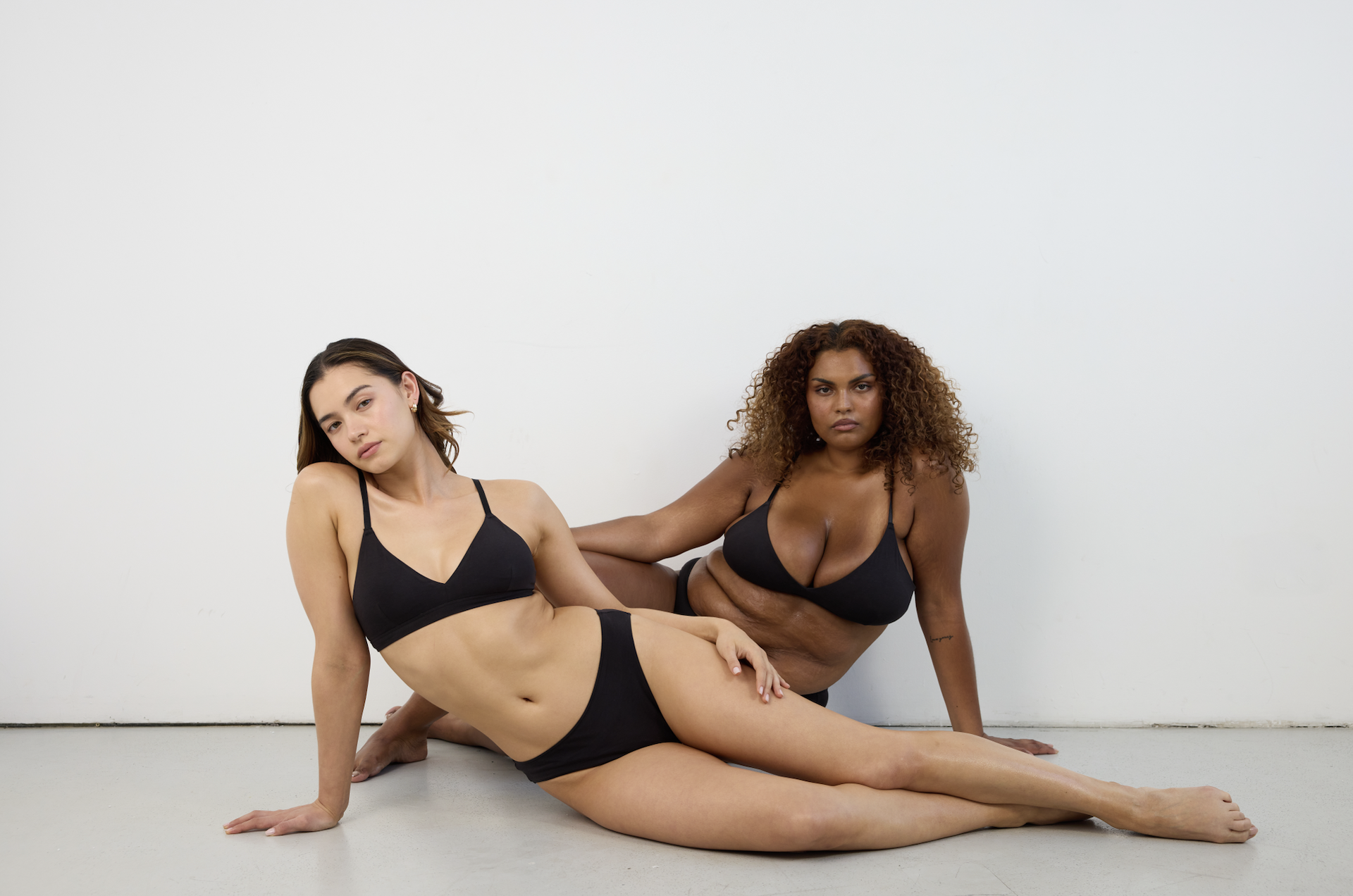
Lela Organic: GOTS-Certified Organic Cotton Bras & Underwear
Lela Organic is an Australian-based brand founded by Felicity - a graphic and UX designer who originally launched the business pre-COVID, paused during motherhood, and eventually revived it because the idea wouldn’t leave her alone. There’s something powerful about that kind of persistence.
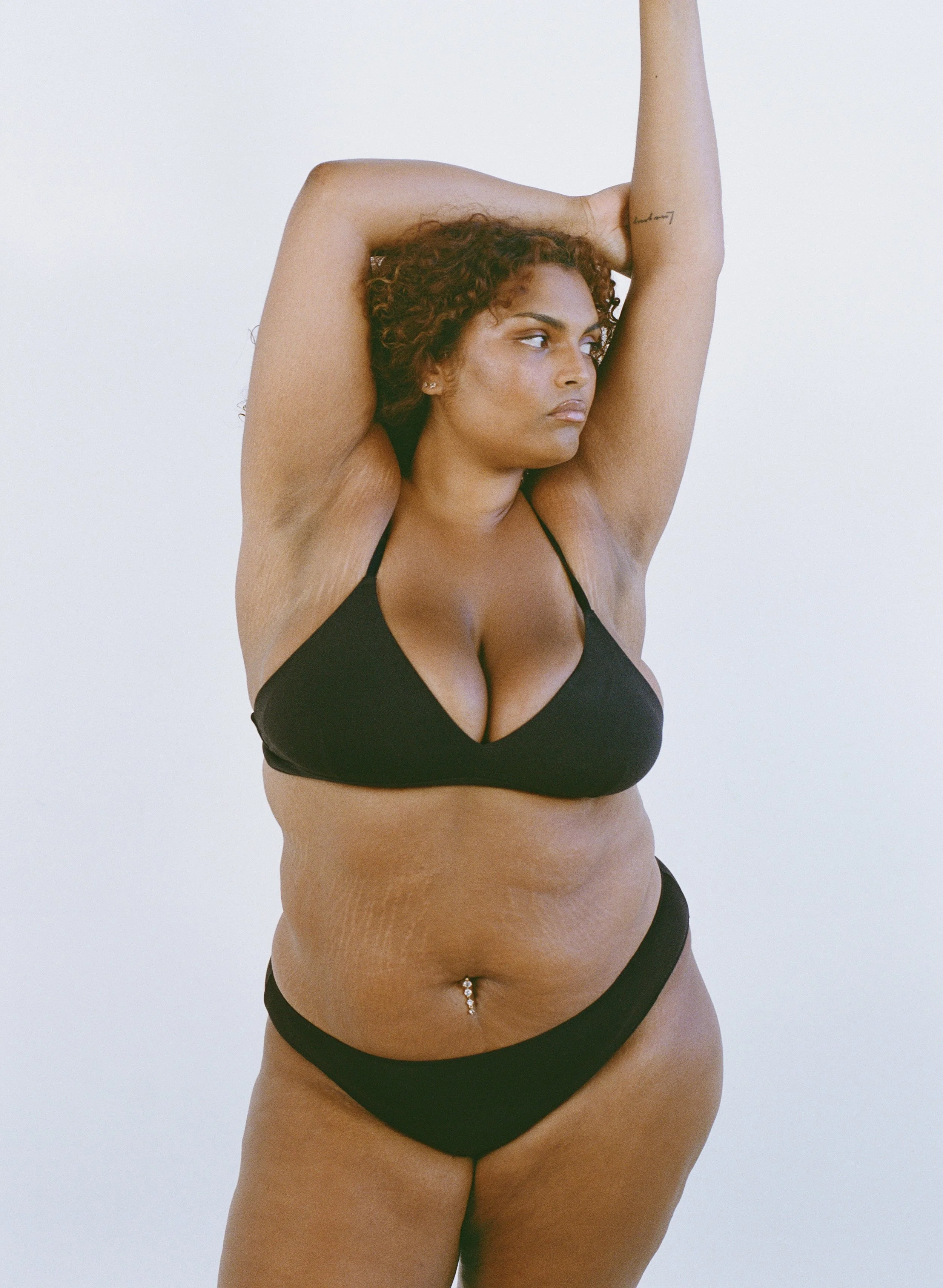
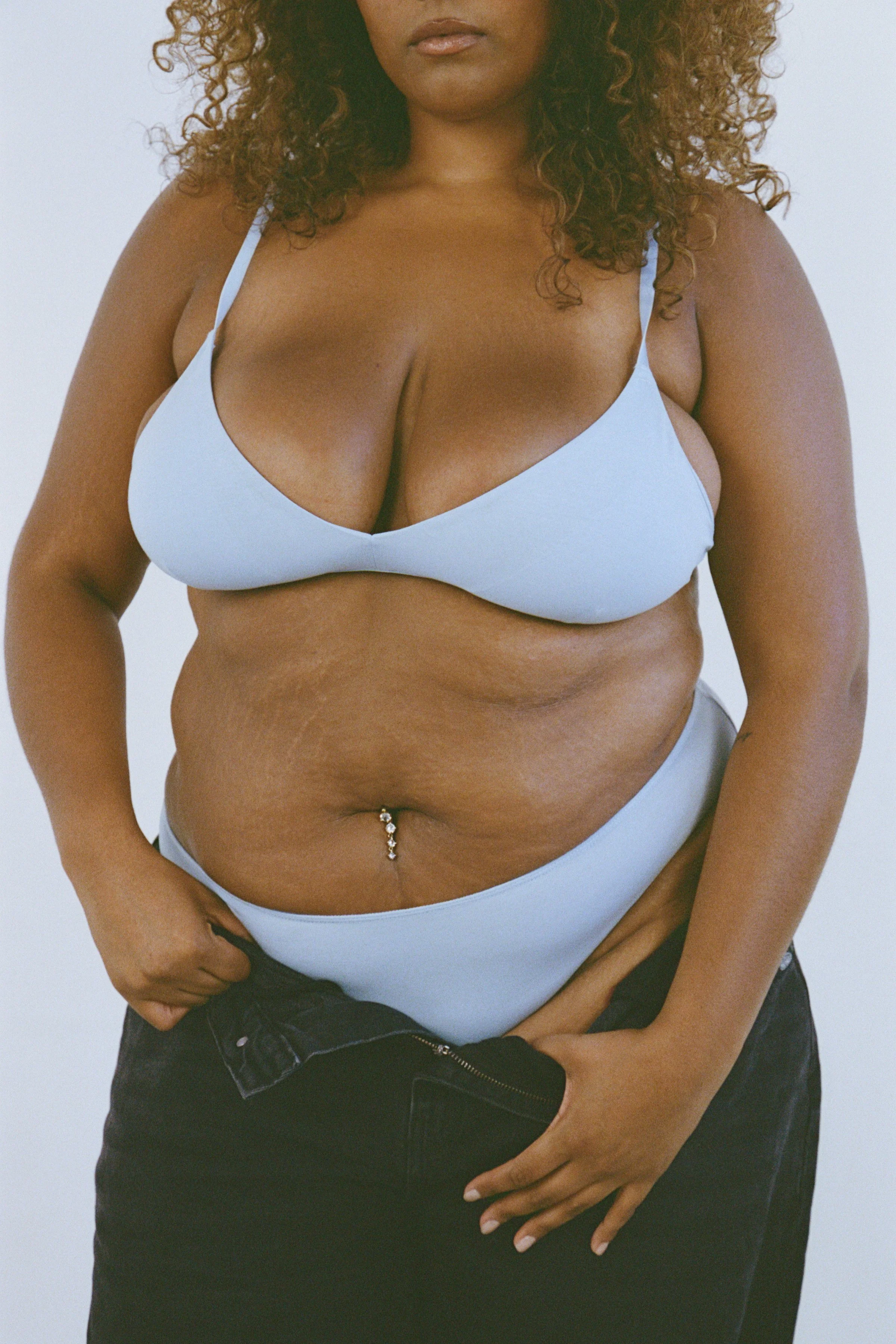
Lela Organic focuses on GOTS-certified organic cotton bras and underwear - simple, everyday pieces designed for real bodies and daily life.
Not hyper-sexualised campaigns.
Not trend-chasing drops.
Just breathable basics.
Before featuring any brand on Ethically Kate, they complete our questionnaire process which is reviewed by myself and a researcher, Stef. We look at materials, certifications, transparency, and alignment.
Lela Organic passed that process with flying colours.
That means we’re comfortable giving them an Ethically Kate recommendation - grounded, thoughtful, and considered. They currently ship to Australia and New Zealand, with international expansion underway, making them accessible to our community across the Tasman and beyond.
My honest review:
My thoughts after trying Lela Organic:
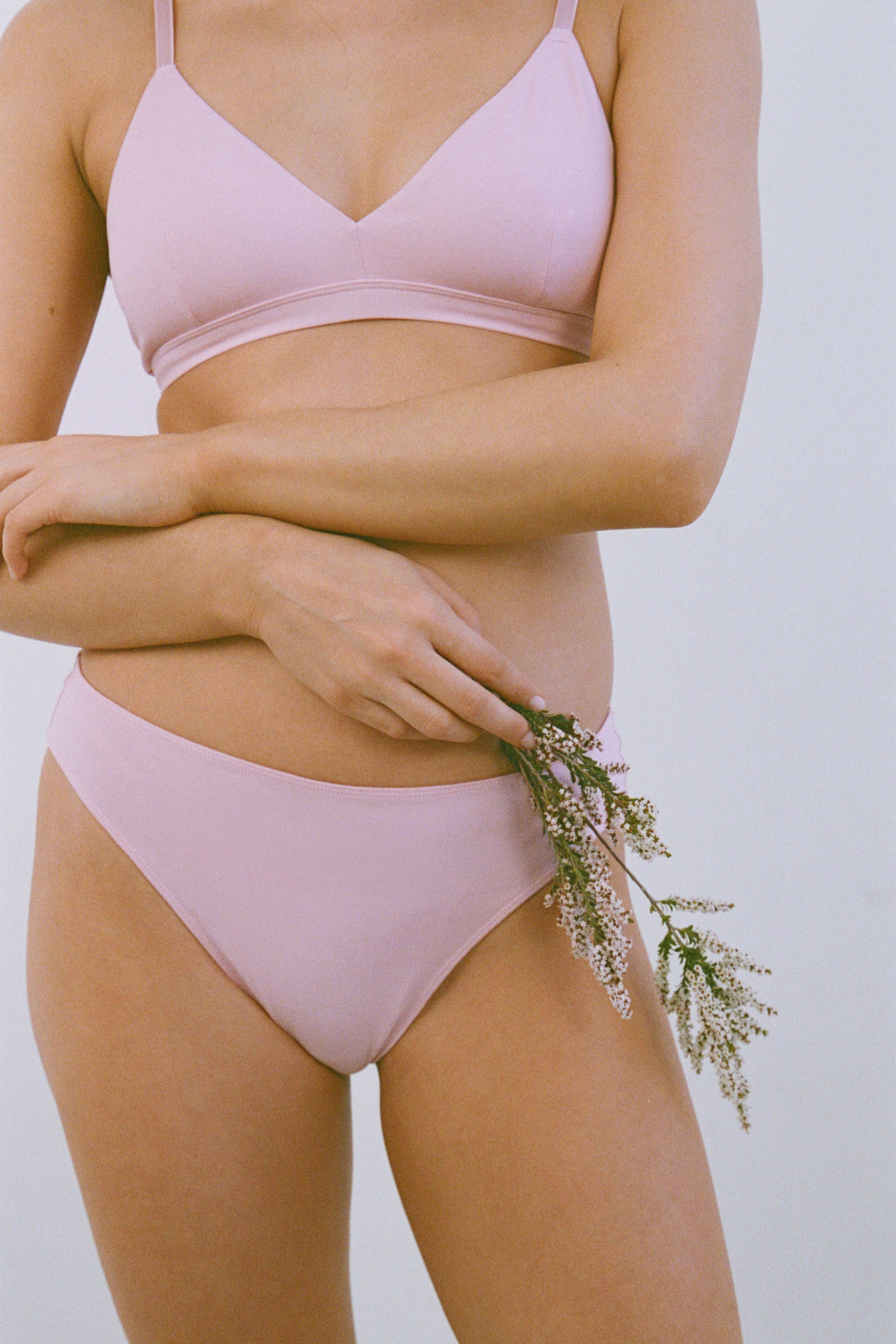
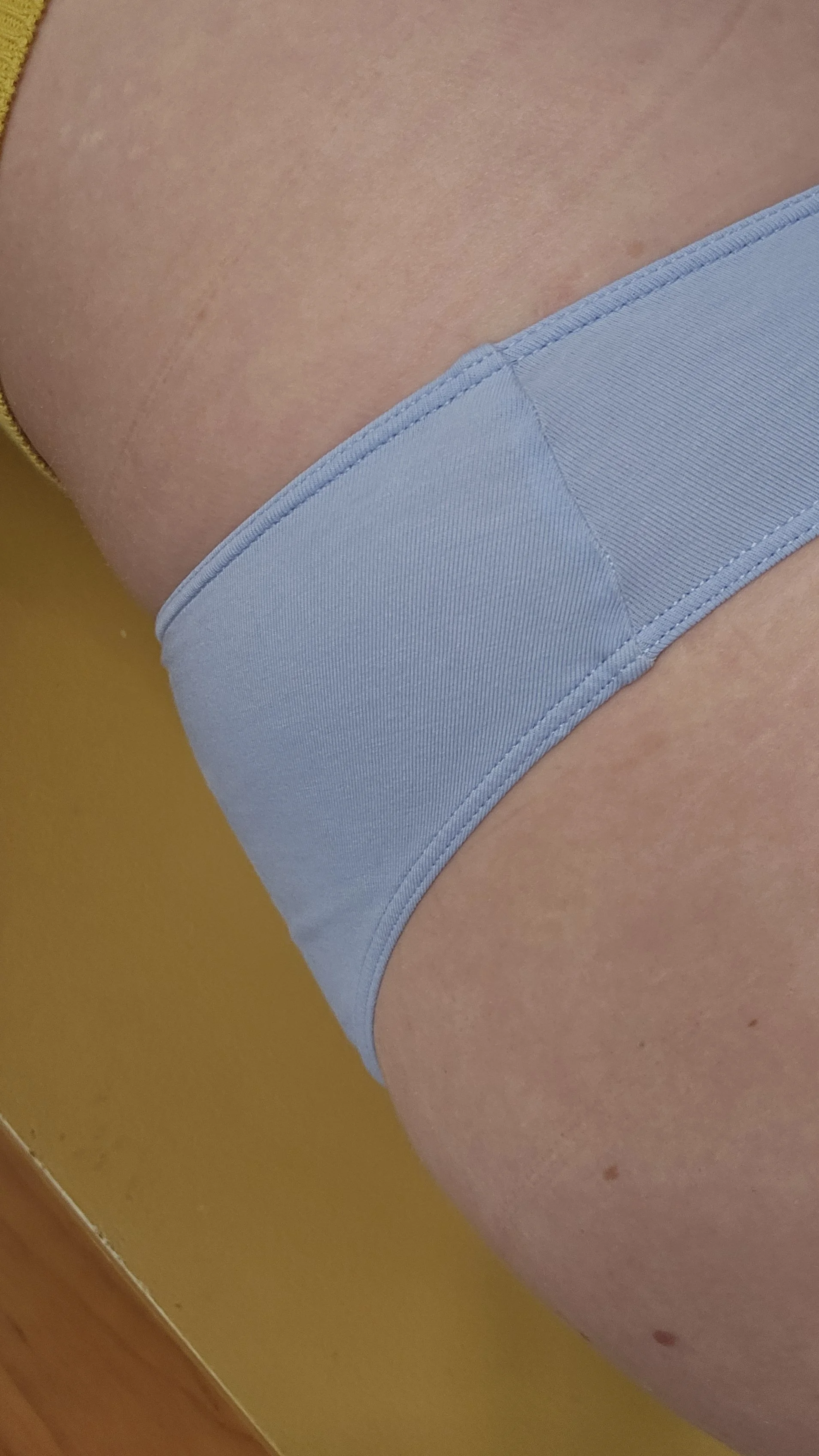
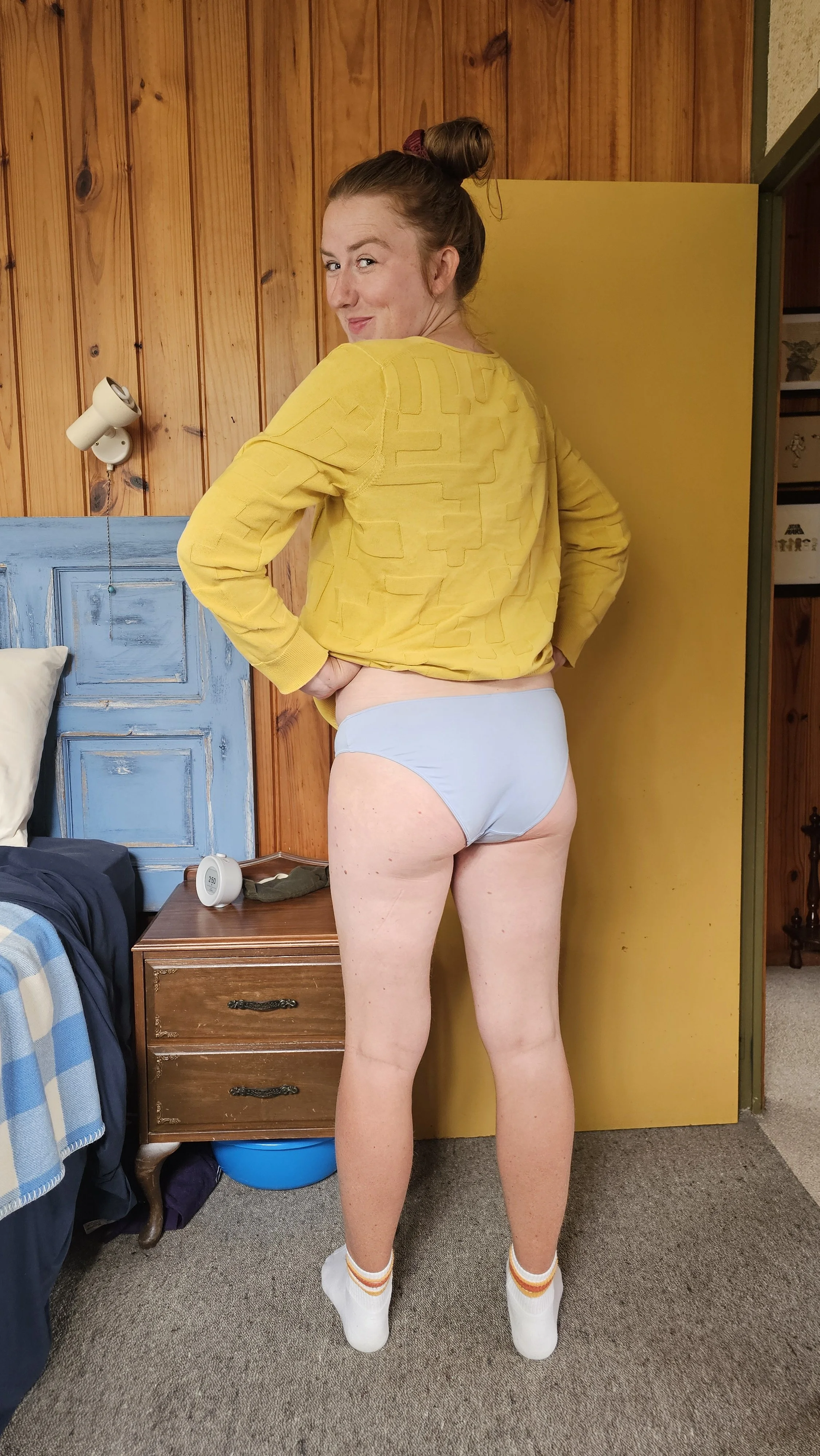
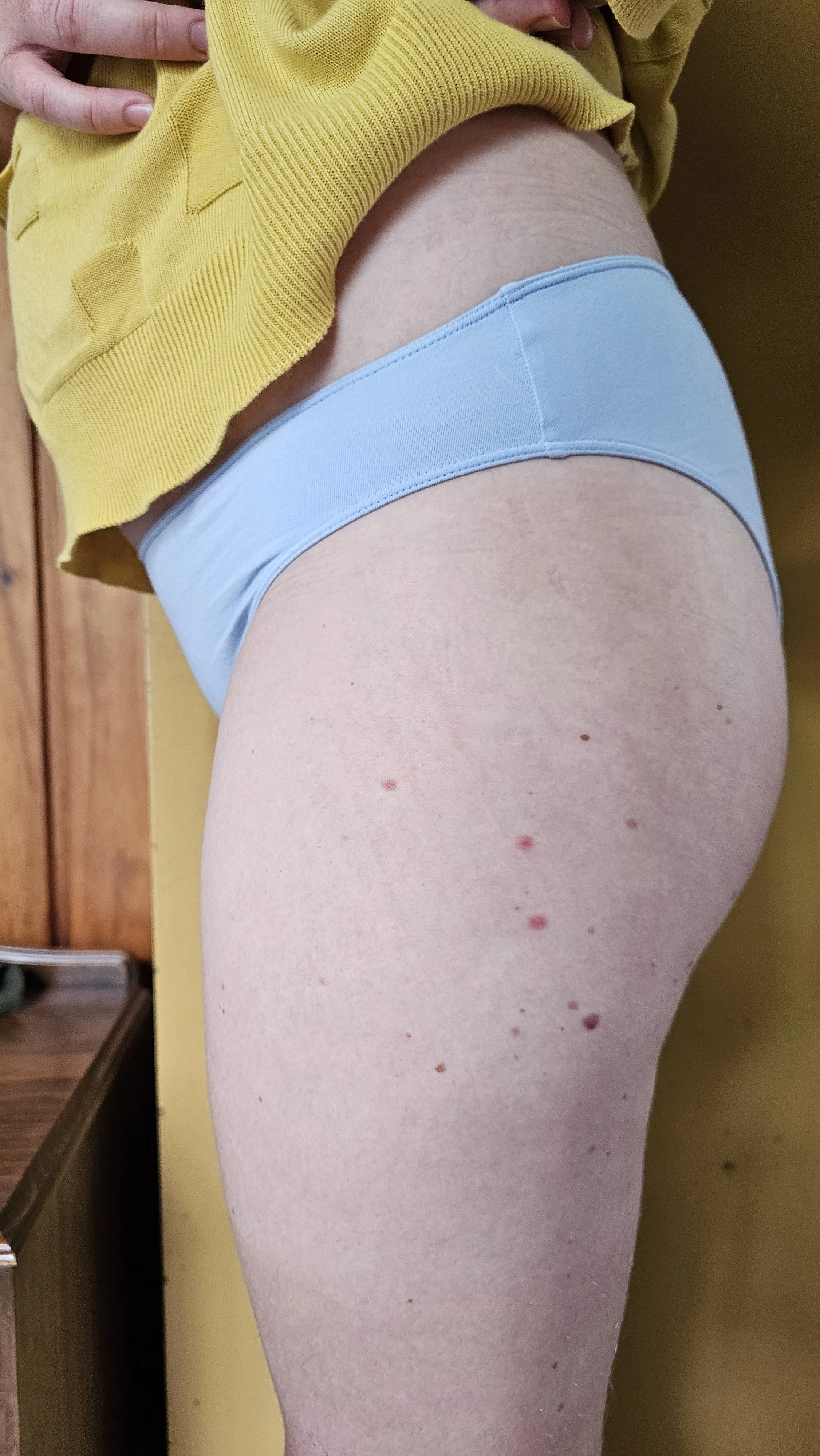
I’ve been wearing the Lela Organic undies (French Cut Brief in Sky) for a little while now, and honestly I’m really impressed.
The first thing that stood out was how soft they are. The fabric feels beautiful against the skin without being thick or heavy, which I really appreciate- especially under more fitted clothes where you don’t want extra bulk.
They’re also really thoughtfully designed. The seams are subtle and understated, so they sit comfortably without digging in or showing through. It’s one of those things you don’t always notice until it’s done well.
I also love the soft blue colour. It’s simple, calming, and just really lovely. The cut works really nicely with everyday outfits like jeans, which makes them easy to reach for.
Overall, they’re just genuinely comfortable, easy, and well-made. The kind of piece you add into your regular rotation.
Do You Need to Replace Everything You Own?
No.
Most of us don’t wear just one brand of bras and underwear. We build a drawer over time. We rotate. We mix favourites, practical pieces, sports bras, comfort layers. If organic cotton underwear resonates with you, you don’t need a complete overhaul. Adding one or two organic cotton bras or underwear pieces into your regular rotation is a practical, low-pressure place to begin.
See how they feel.
Notice the breathability.
Pay attention to comfort on warm days or long days.
If they become your go-to… amazing.
If they simply sit alongside your other pieces - that’s still progress.
Sustainability rarely looks like extremes. It looks like intentional additions.
Why I’m Comfortable Recommending Lela Organic
Here’s what stood out:
They use GOTS-certified organic cotton.
They’ve been transparent in our research process.
They’re woman founder-led and values-driven.
Their pieces are designed for everyday wear - not marketing moments.
Their underwear is legitimately comfortable.
If breathable organic cotton bras and underwear are something you’ve been thinking about - Lela Organic is a thoughtful option to add to your rotation.
You can use code EK15 for 15% off (global) if you’d like to try a piece or two.
Start small.
Add thoughtfully.
Build intentionally.
Frequently Asked Questions
Is Lela Organic actually GOTS certified?
No, the organisation itself is not certified but the fabric that Lela Organic uses is GOTS-certified organic cotton. GOTS (Global Organic Textile Standard) is one of the most recognised global standards for organic textiles, covering environmental and social criteria across the supply chain.
Is organic cotton underwear better than synthetic?
Organic cotton underwear is widely preferred for breathability and comfort. While synthetic fabrics offer stretch and durability, cotton is often recommended for everyday wear due to airflow and moisture management.
Why do doctors recommend cotton underwear?
Cotton allows airflow and helps reduce trapped moisture. While it’s not a medical solution, breathable fabrics are commonly suggested for daily comfort and irritation prevention.
Does Lela Organic ship internationally?
Yes; Lela Organic ships internationally. They currently deliver to Australia, New Zealand, the United States, the United Kingdom, and selected European countries.
Their European shipping includes: Austria, Belgium, Czechia, Denmark, Finland, France, Germany, Greece, Ireland, Italy, Luxembourg, the Netherlands, Poland, Portugal, Spain, and Sweden.
Shipping regions may expand over time, so it’s always worth checking their website for the most up-to-date list and delivery options.
What’s the difference between organic cotton and regular cotton underwear?
Organic cotton is grown without synthetic pesticides and GMOs. When certified under GOTS, it also meets environmental and social criteria in processing and manufacturing.
Are organic cotton bras worth it?
For many people, yes - especially if comfort and breathability are priorities. Organic cotton bras can feel softer against sensitive skin and align with lower-impact values.
If I experience irritation, is switching to cotton underwear worth trying?
Every body is different, but cotton is widely recommended for breathability. Trying breathable organic cotton underwear can be a practical step if comfort is a concern.