Why My La Sierra Alpaca Jumper Survived My Post-Baby Wardrobe Cull
After I gave birth to Orchard, something unexpected happened. I stood in front of my wardrobe and realised… most of it didn’t feel like me anymore.
Some things didn’t fit. Some technically did, but didn’t feel right in this new season of life.
So I did something fairly radical.
I cleared out around 50% of my wardrobe and passed it on to friends.
It was strangely liberating.
But a few pieces were never up for grabs and will be with me for (I hope) my lifetime.
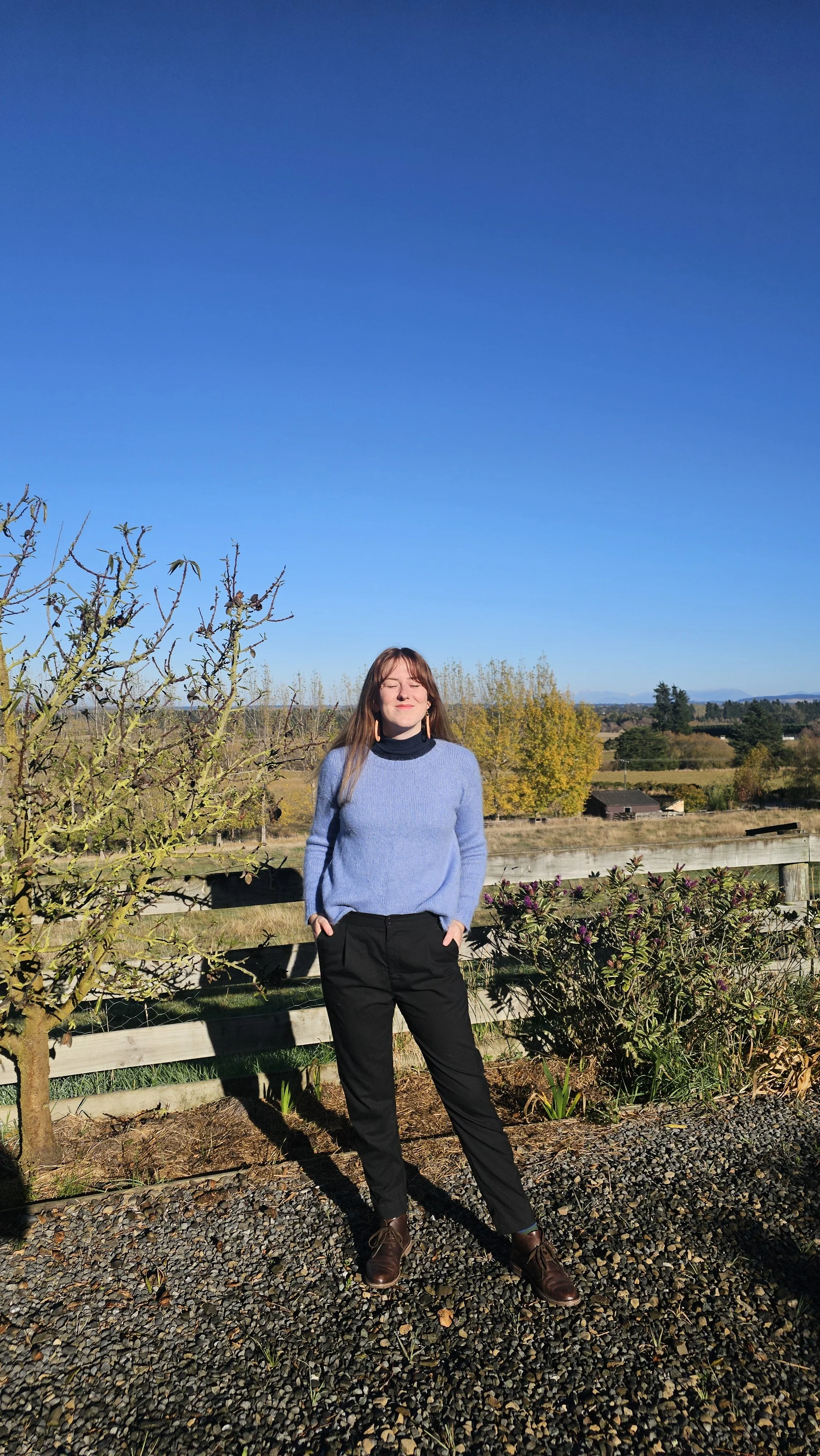
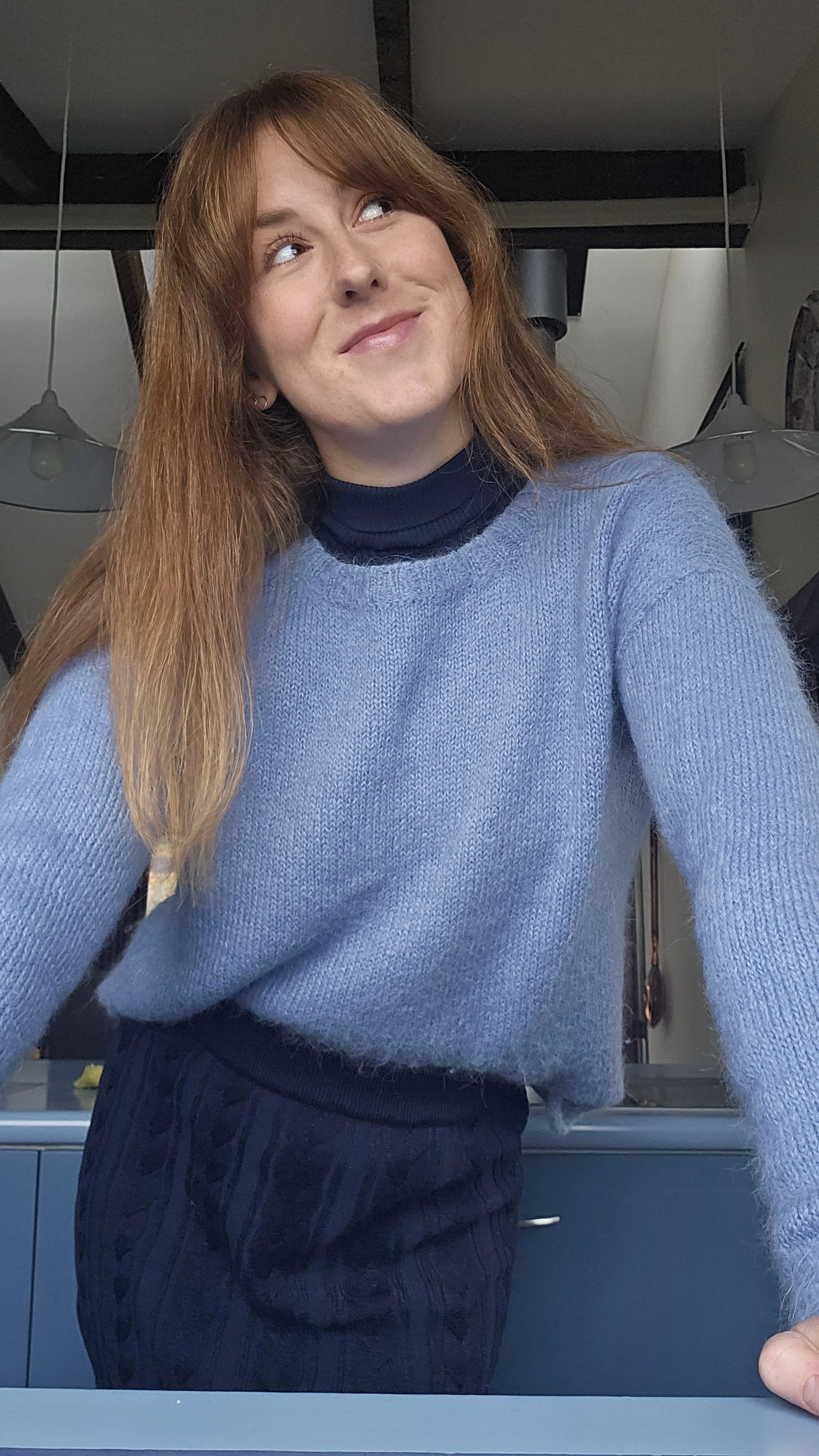
One of them was my blue alpaca jumper from La Sierra.
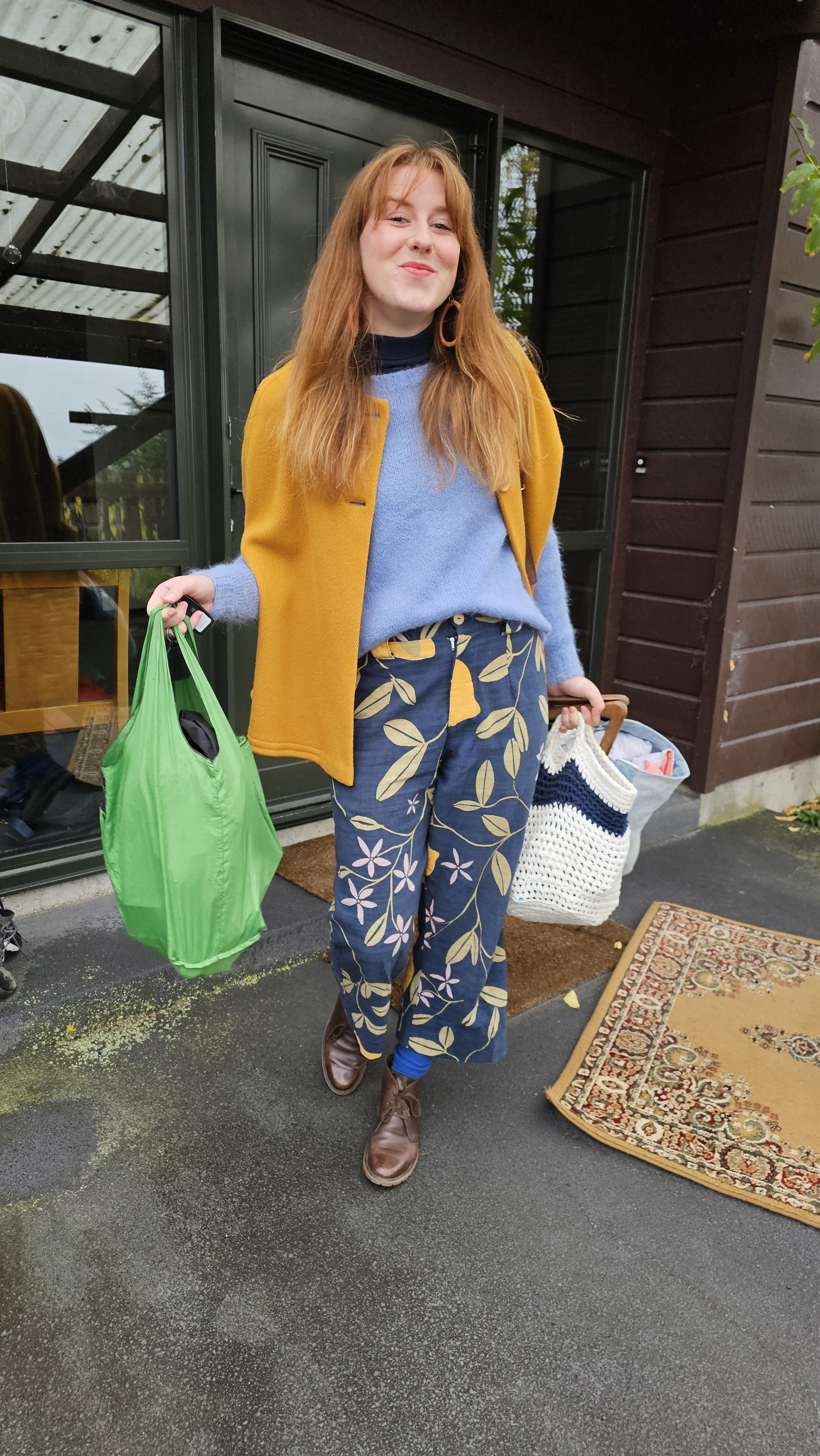
I’ve worn this La Sierra jumper for years. For the first year and a half after I bought it, it was probably my most worn winter piece and continues to be high in rotation. I love the shape, I love how soft it feels, and I love how it goes with both my casual and formal outfits.
Even now, years later, it still looks beautiful.
It’s one of those rare items that doesn’t feel disposable. Every time I wear it I get comments on it. Which is what led me down a rabbit hole of learning more about alpaca fibre and the story behind La Sierra.
Why La Sierra Uses Alpaca, One of the Most Underrated Natural Fibres.
Alpaca fibre has been used for thousands of years in the Andes, and once you experience it, it’s not hard to understand why. Compared with many traditional wool fibres, alpaca has some unique characteristics.
Alpaca fibre is known for being:
Extremely soft – many people find alpaca smoother and less prickly than traditional sheep wool
Naturally hypoallergenic – alpaca contains very little lanolin compared with sheep wool
Very warm for its weight – alpaca fibres are hollow, which helps trap heat efficiently
Breathable – helping regulate temperature instead of overheating
Durable – alpaca garments can hold their shape and beauty for many years when cared for properly
In other words, alpaca is the kind of fiber that aligns beautifully with a buy-less, buy-better wardrobe philosophy.
A La Sierra alpaca jumper is truly a long-term wardrobe favourite rather than a short-term fashion purchase.

Why Alpaca Fibre (Like La Sierra Uses) Is Still a Tiny Part of the Global Clothing Industry
One thing that surprised me while researching this post is just how small alpaca’s share of the global fibre market actually is. The global clothing industry produces around 113 million tonnes of textile fibres each year according to Textile Exchange’s Materials Market Report.
Of that total:
About 64% is synthetic fibres (mainly polyester derived from fossil fuels)
Around 24% is cotton
Only about 1.4% is wool
Alpaca fibre represents well under 0.1% of global fibre production
(Source: Textile Exchange Materials Market Report)
That means fibres like alpaca (despite being incredibly durable and naturally renewable) represent an almost invisible fraction of the industry. Even within cotton production, only about 1.4% of global cotton is certified organic according to the Textile Exchange Organic Cotton Market Report.
When you look at those numbers, it becomes clear that fibres like alpaca are not just niche; they’re extraordinarily rare compared with synthetic fashion materials. Which makes it even more interesting that alpaca garments can last for years - it’s an anti-consumerism fiber!
The Story Behind La Sierra Alpaca Clothing
The jumper that survived my wardrobe purge is called the Maha Suri Alpaca Jumper from La Sierra, a small Australian brand founded by Sophia Vatousios. La Sierra focuses on creating timeless alpaca garments and handmade alpaca toys, working with skilled textile artisans in Peru & Ecuador. The alpaca yarn used in La Sierra knitwear comes from two of Peru’s most established fibre mills, with histories dating back to 1931 and 1957.
These mills operate under internationally recognised textile standards including:
Responsible Alpaca Standard (RAS)
OEKO-TEX Standard 100
Global Organic Textile Standard (GOTS) processing standards
The alpaca fibre itself is sourced from the high-altitude regions of the Peruvian Andes, where alpacas have been raised for thousands of years. Many finished La Sierra pieces are produced in collaboration with artisan families in southeastern Peru, including communities connected to Quechua and Aymara textile traditions. These weaving traditions have been passed down for generations and continue to support families and communities today.

Why Ethically Kate Is Comfortable Recommending La Sierra
At Ethically Kate we don’t simply feature brands because they ask. Every brand we collaborate with goes through a detailed onboarding and audit process.
This includes:
a comprehensive brand questionnaire
clarification around fibre sourcing
transparency around production processes
labour and artisan relationships
environmental considerations
Our researcher Stef does a deep dive into this information before we agree to any partnership.
Based on the information La Sierra provided and the transparency around their fibre sourcing and artisan partnerships, La Sierra passed this process with flying colours.
Which is why we feel comfortable recommending their products to our community.
Explore La Sierra Alpaca Clothing
If you’re curious to explore La Sierra’s alpaca knitwear, homewares, or their handmade alpaca toys, you can visit their website below.
La Sierra has also offered the Ethically Kate community 10% off using the code ETHICALLYKATE10.
Frequently Asked Questions About La Sierra Alpaca Clothing
What makes La Sierra alpaca clothing different from regular wool clothing?
La Sierra alpaca clothing uses alpaca fibre sourced from Peru’s high-altitude Andes region. Alpaca fibres are naturally soft, warm, and breathable. Many people find alpaca garments more comfortable than traditional wool because alpaca contains less lanolin.
Where does La Sierra get its alpaca fibre?
La Sierra sources alpaca yarn from established fibre mills in Peru that operate under standards including the Responsible Alpaca Standard (RAS), OEKO-TEX Standard 100 and GOTS processing standards.
These mills work with small-scale Andean farmers who raise alpacas in their natural mountain environment.
Who makes La Sierra alpaca garments?
La Sierra collaborates with artisan families in southeastern Peru, including makers connected to Quechua and Aymara textile traditions. These artisans carry forward generations of weaving and textile knowledge.
Is La Sierra alpaca clothing ethically produced?
Based on the information shared during our audit process, La Sierra sources alpaca fibre from certified mills and works with artisan partners in Peru through long-standing relationships developed over more than a decade.
Why is alpaca clothing more expensive than synthetic knitwear?
Alpaca fibre is rare compared with synthetic fibres. Synthetic materials make up about 64% of global textile production, while alpaca represents well under 0.1% of fibre production globally.
Because alpaca garments are made from natural fibres and skilled craftsmanship, they tend to be higher quality and longer lasting meaning the cost up front seems greater but the cost-per-wear is more affordable.
How warm are La Sierra alpaca jumpers?
Alpaca fibres are naturally hollow, which allows them to trap heat efficiently. This means La Sierra alpaca jumpers can be very warm while still feeling lightweight and breathable.
Does La Sierra ship internationally?
Yes. La Sierra ships internationally from Australia, including shipping to New Zealand and other global destinations.
Does La Sierra offer discounts?
La Sierra has offered the Ethically Kate community 10% off using the code ETHICALLYKATE10.
How do you care for La Sierra alpaca garments?
Like most natural fibre knitwear, alpaca garments should be gently hand washed or carefully cold washed depending on the garment instructions. Proper care helps maintain the shape and softness of alpaca knitwear for many years.
Why does Ethically Kate recommend La Sierra?
We recommend brands only after they complete our detailed brand questionnaire and review process. La Sierra provided strong transparency around fibre sourcing, artisan relationships and production standards, which is why we felt confident recommending them to our readers.