We Tried Dozens Of Eco Dishwashing Products - Here’s What Actually Works
If you’re anything like us, you probably spend more time at your kitchen sink than you’d like to admit. Between pots and pans, baby bottles, plates that won’t fit in the dishwasher, and the general rhythm of daily life - doing the dishes becomes a bit of an invisible routine. It just happens. Every day. In our house, it’s constant.
And like most things in life, it’s something we didn’t really question… until we started looking at it through a more conscious lens. Because when you pause for a second, there’s actually a lot going on in that one simple habit.
Water usage. Energy. Ingredients. Packaging. Waste.
And suddenly, something as ordinary as washing the dishes becomes a little more complex.
This blog covers the main issues with sustainable dishwashing solutions, why it’s important to have an eco dishwashing routine, and throughly reviews the product ‘Dishpod’ (spoiler alert, it’s amazing).
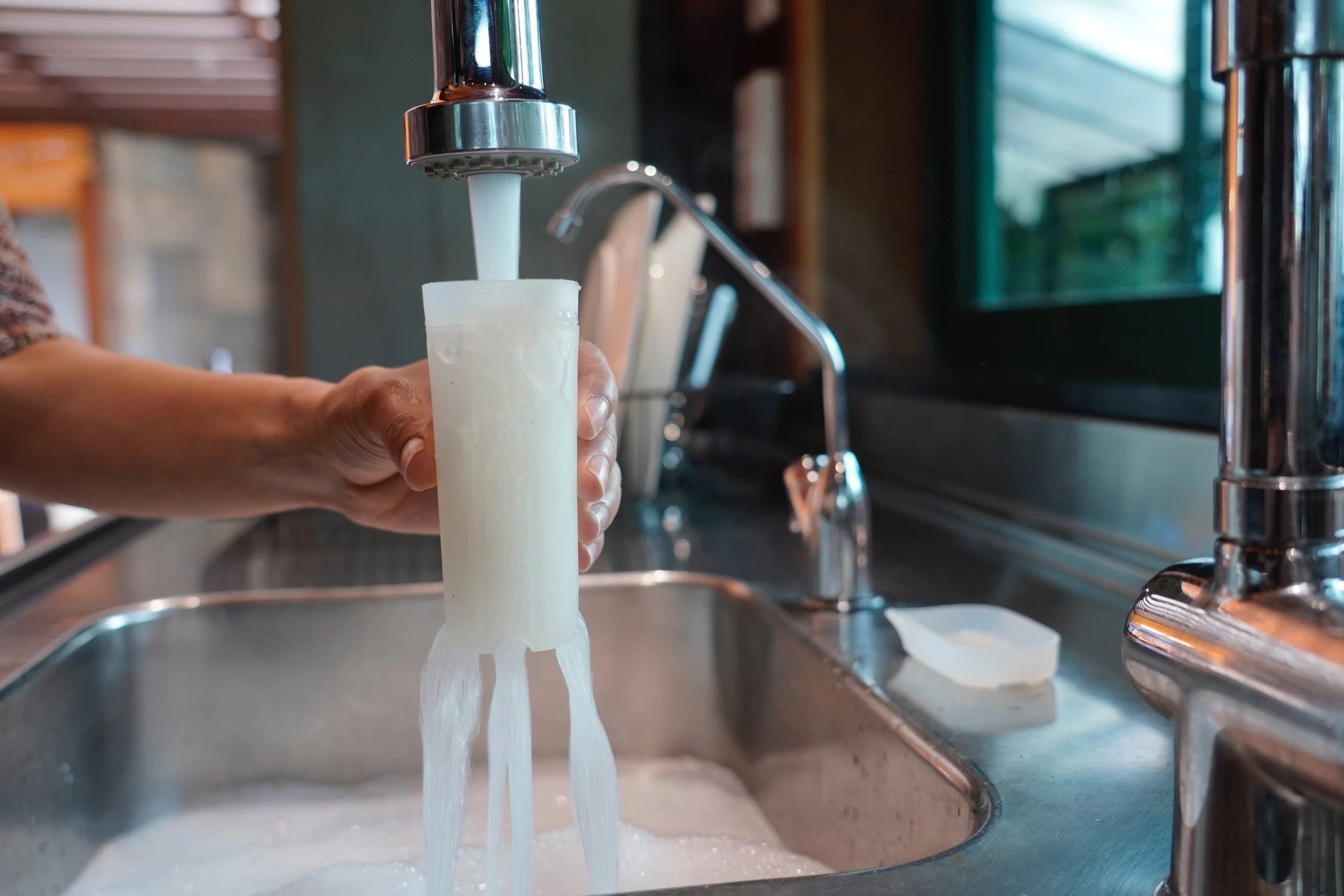
Dishpod.
The Problem With Most Eco Dishwashing Products
Over the past 10+ years, we’ve tried a lot of eco dishwashing options. From liquid refills to solid bars, handmade soaps from local markets to big-name “eco” brands. From the get-go it was clear not all eco dishwashing products are made equal. Some look great on paper. Some tick all the sustainability boxes. But when it comes to actually washing dishes? That’s where things (for some) can fall apart.
Grease doesn’t quite lift. You end up washing things twice. Or worse - you dry a pan, pick it up, and it still feels slightly oily (poor teatowel). It’s frustrating because it creates a tension a lot of people will recognise:
→ Do you choose something eco-friendly that doesn’t quite perform?
→ Or do you go back to something that works, but doesn’t align with your values?
Historically, a lot of eco dish bars have really only been embraced by people willing to accept that trade-off. And that’s the problem we wanted to eradicate.
A Quick Look at the Dishwashing Industry
Before going any further, we wanted to properly understand what’s happening in this category. There are a lot of options - and not all of them are as straightforward as they seem.
How Much Water Do We Actually Use Washing Dishes?
Hand washing dishes can use anywhere from 20 to 60 litres of water per session, depending on how the tap is used and whether it’s left running. It’s one of those everyday habits that quietly adds a lot to your water bill each week.
What’s Actually in Dishwashing Products?
Most dishwashing products rely on surfactants - ingredients that break down grease and lift food residue.
But here’s where things start to diverge.
Many eco dish bars are soap-based
Most high-performing liquids are detergent-based
That difference turns out to be the reason many eco dish washing products don’t clean as well and why the high-performing liquids look so enticing. More on this later!
The Plastic Packaging Problem
Most conventional dishwashing liquids come in plastic bottles.
Even when recyclable they:
require constant repurchasing
contribute to ongoing waste
rely on systems that aren’t always effective (a UN study found that only about 9% of all plastic waste globally has ever been recycled!)
Which is why so many people are exploring:
refill systems
concentrates
solid alternatives
It’s an overwhelming space at the moment with multiple options that can become incredibly expensive when you try them all out. So, we asked ourselves:
What would the ideal “Ethically Kate” dishwashing solution actually look like?
For us, it needed to:
Be genuinely low-impact
Actually cut through grease properly
Avoid unnecessary plastic
Be thoughtfully designed
Support a business doing things the right way (ideally local)
Perform just as well as mainstream options
That’s a high bar (deliberate pun). But it’s also the standard we hold for anything we recommend.
How We Test and Recommend Products at Ethically Kate
Before anything gets shared with our community, it goes through a pretty thorough process.
Everything is:
tested in our own home (often over months)
reviewed for performance and usability
assessed from a sustainability and supply chain perspective
We also work with a researcher (Stef), who helps us dig into materials, manufacturing, and brand claims. If something doesn’t stack up? We don’t share it. In fact, we turn away more brands than we say yes to.
The Old-School Solution (That Never Really Evolved)
You might remember the old-school dishwashing setup: A metal soap shaker. A bar inside. Shake it under hot water.
It’s been around for decades. And while it’s a great low-waste idea (that we love and have often gifted at Christmas), it hasn’t really evolved. Bars can go soggy, cleaning can be inconsistent, and it can take a while to get a good lather going. Plus we found it was often a hard sell to a mainstream household.
Then We Came Across Dishpod
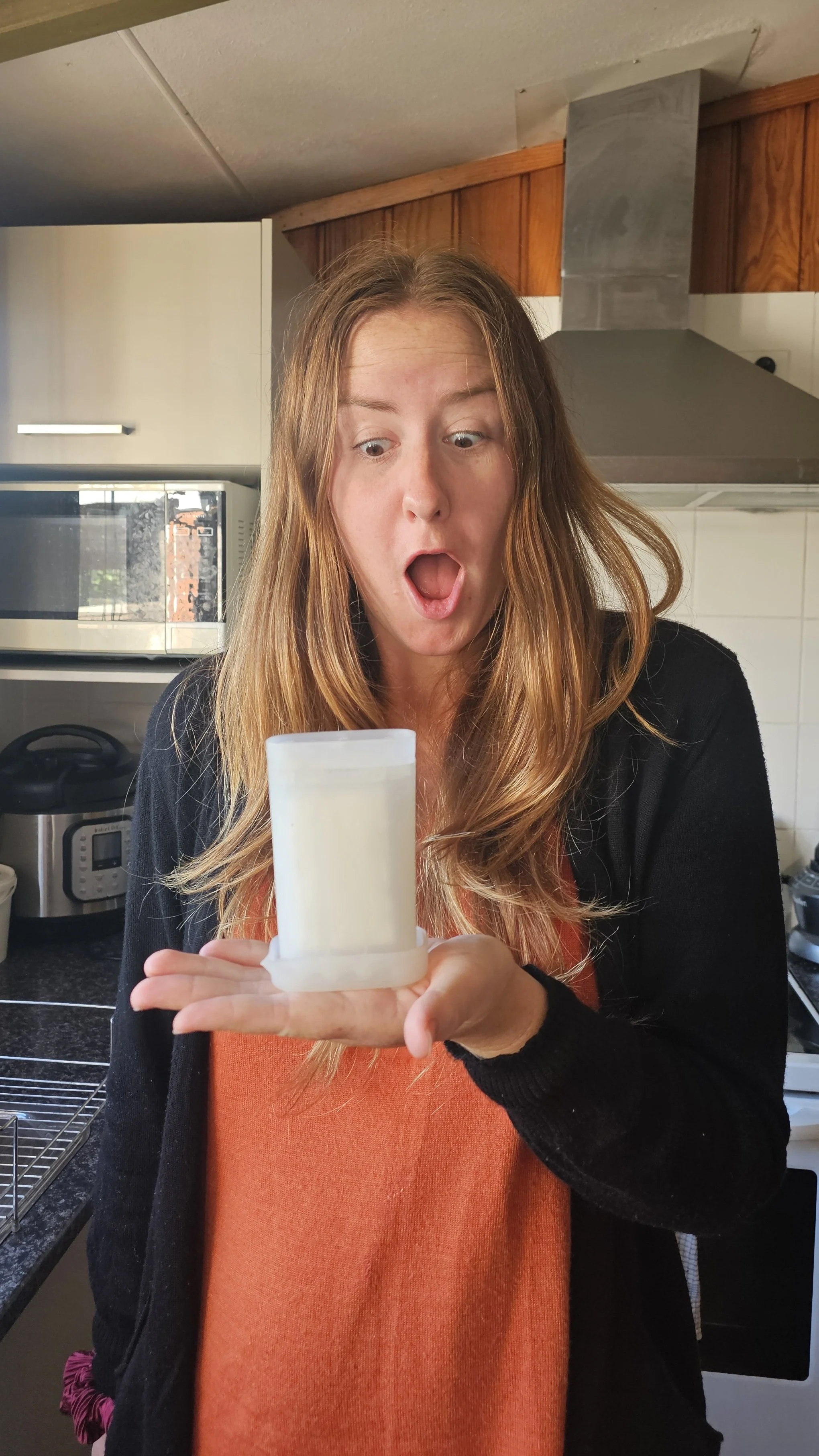
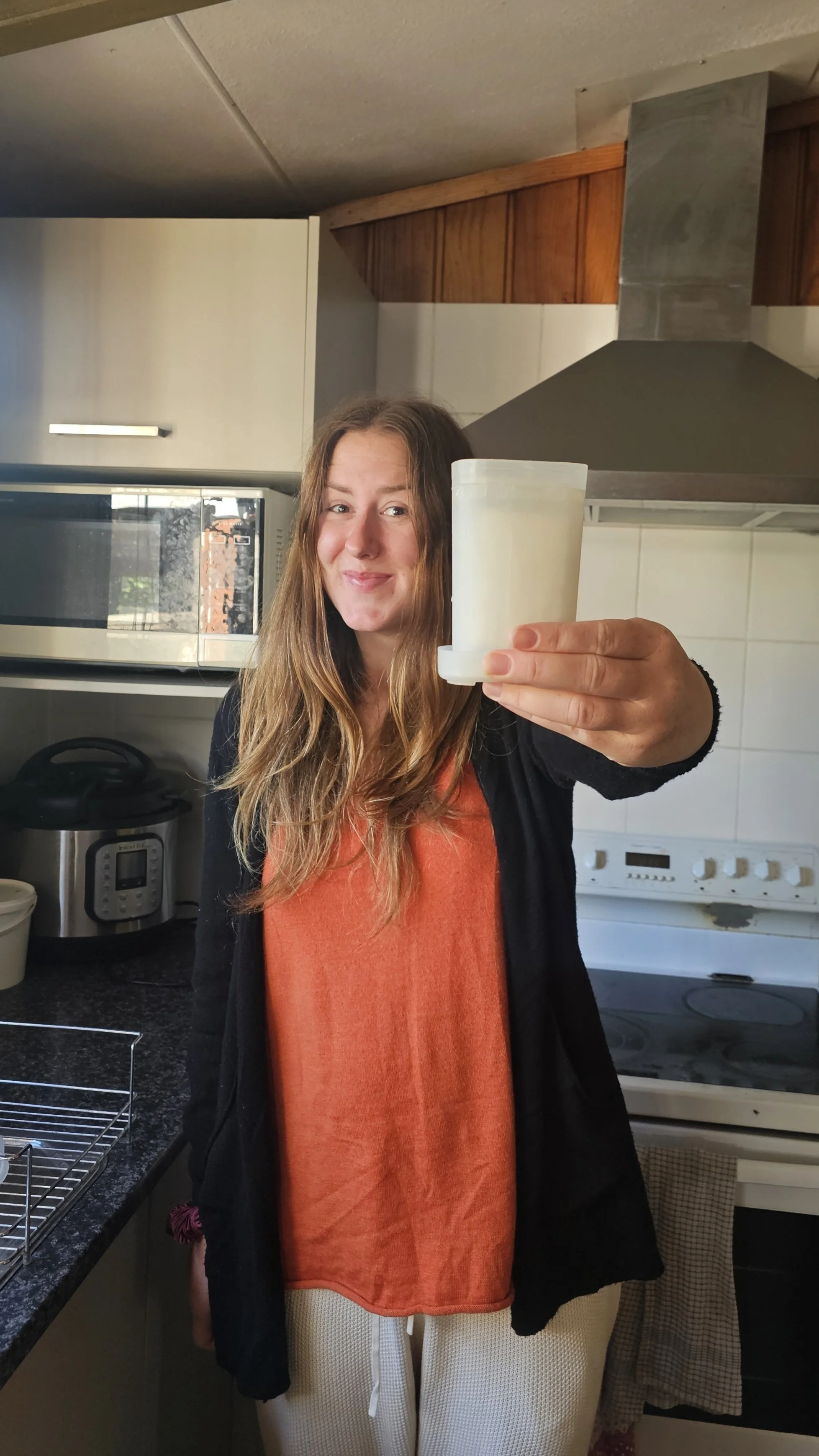
When we first came across Dishpod, we were curious - but cautious. We’ve seen a lot of “eco innovations” over the years. So we tested it properly. Used it daily. Put it through real-life use. And pretty quickly… something stood out.
It actually worked. Not just “good for an eco product” - but genuinely worked. Grease lifted properly. Dishes rinsed clean. No residue left behind.
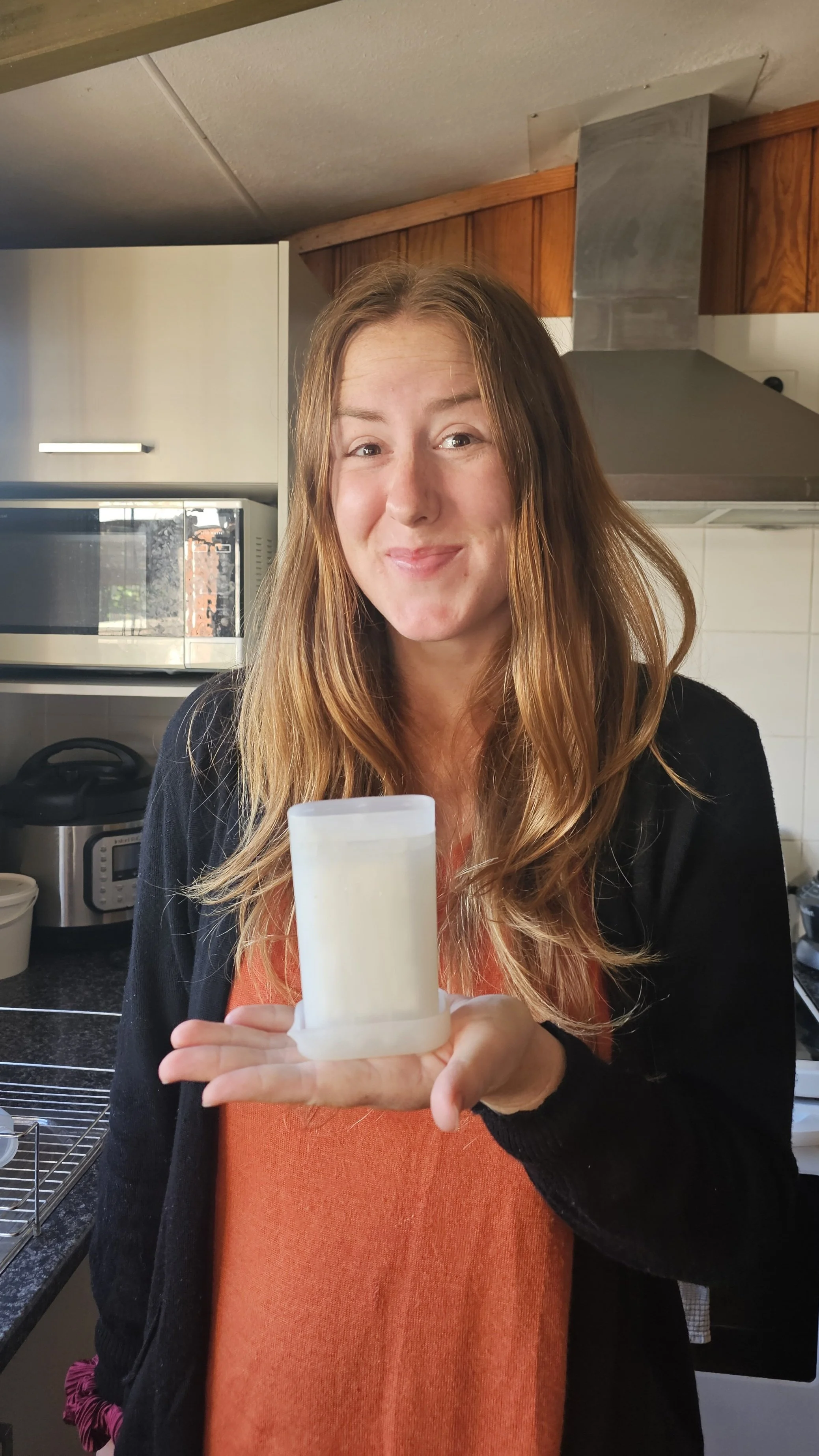
The Key Difference: It’s Not Soap
Let’s go back to what we found out about soap versus detergents.
→ Most eco dish bars are soap-based (often reducing the quality of a wash)
→ Dishpod is a concentrated detergent bar
And that difference is everything.
Dishpod didn’t start as a detergent product. It actually evolved from traditional soap bars, but the founders realised that soap simply couldn’t compete with liquid dishwashing performance. So they rebuilt the product entirely. Dishpod bars are essentially liquid detergent with the water removed - making them highly concentrated and far more effective at cutting grease. They’re also commercially produced (not handmade like traditional soap), which allows for consistency and performance at scale.
Soap vs Detergent (Why It Matters)
Soap:
made through saponification (the chemical process of turning oils and an alkaline solution into soap)
can struggle with grease
less effective in certain water conditions
can leave residue
Detergent:
engineered using surfactants (ingredients that break down grease and lift it off surfaces so it can be washed away with water)
designed specifically to cut grease
works consistently across water types
rinses clean
Dishpod uses plant-derived surfactants (from coconut) - giving you the performance of a detergent with a more considered ingredient profile and delivery method.
The Bubble Myth
There’s a common belief that more bubbles = better cleaning. To be honest, I always thought bubbles were the symbol of an effective soap… but that’s not actually true.
Many products use foaming agents designed to create the illusion of cleaning (cheeky!). Dishpod focuses on working bubbles; bubbles that actually contribute to breaking down grease, rather than just looking good or pretending it’s more than it really is. It’s a small detail - but an important one to note.
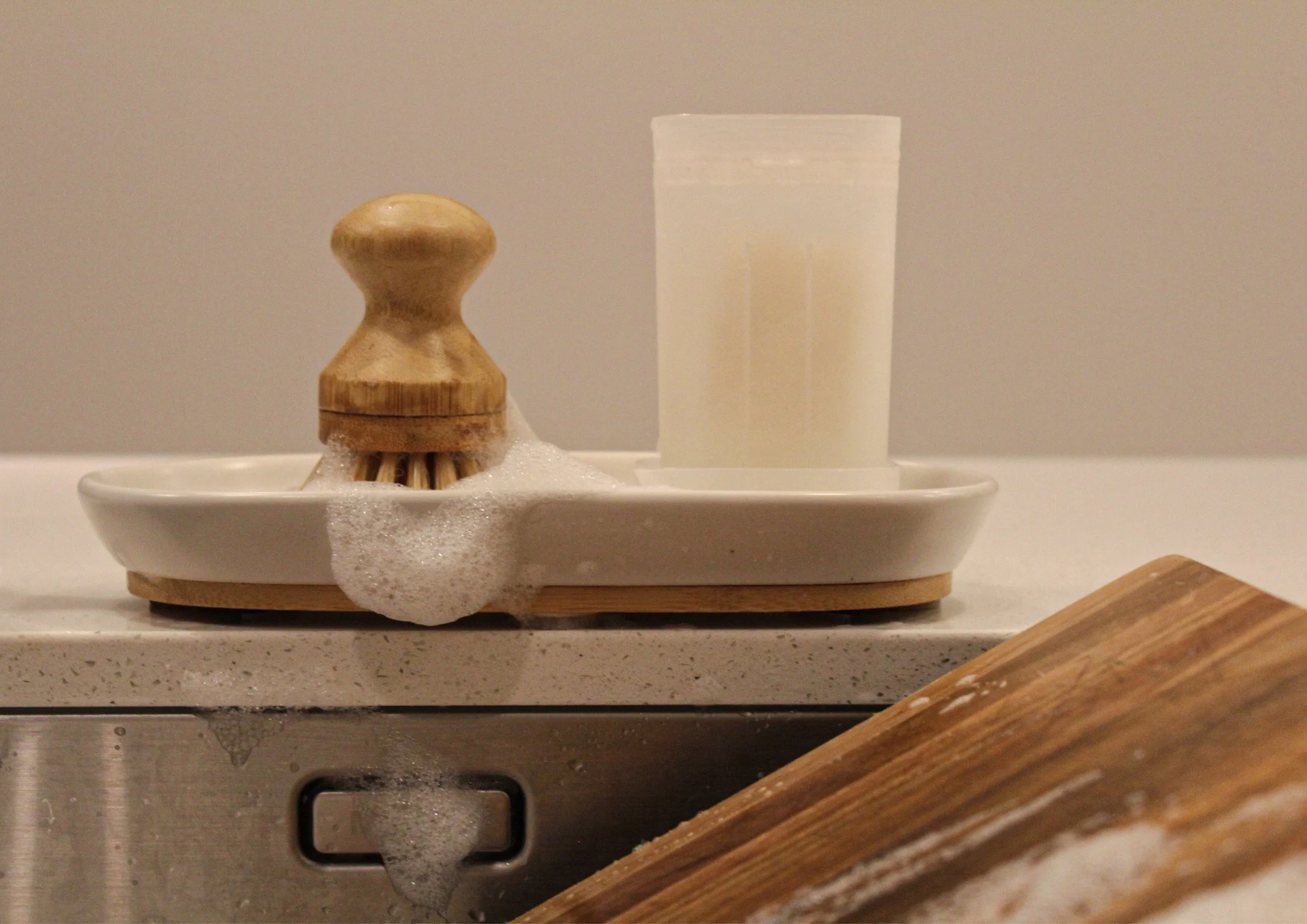
Dishpod is aThoughtfully Engineered System
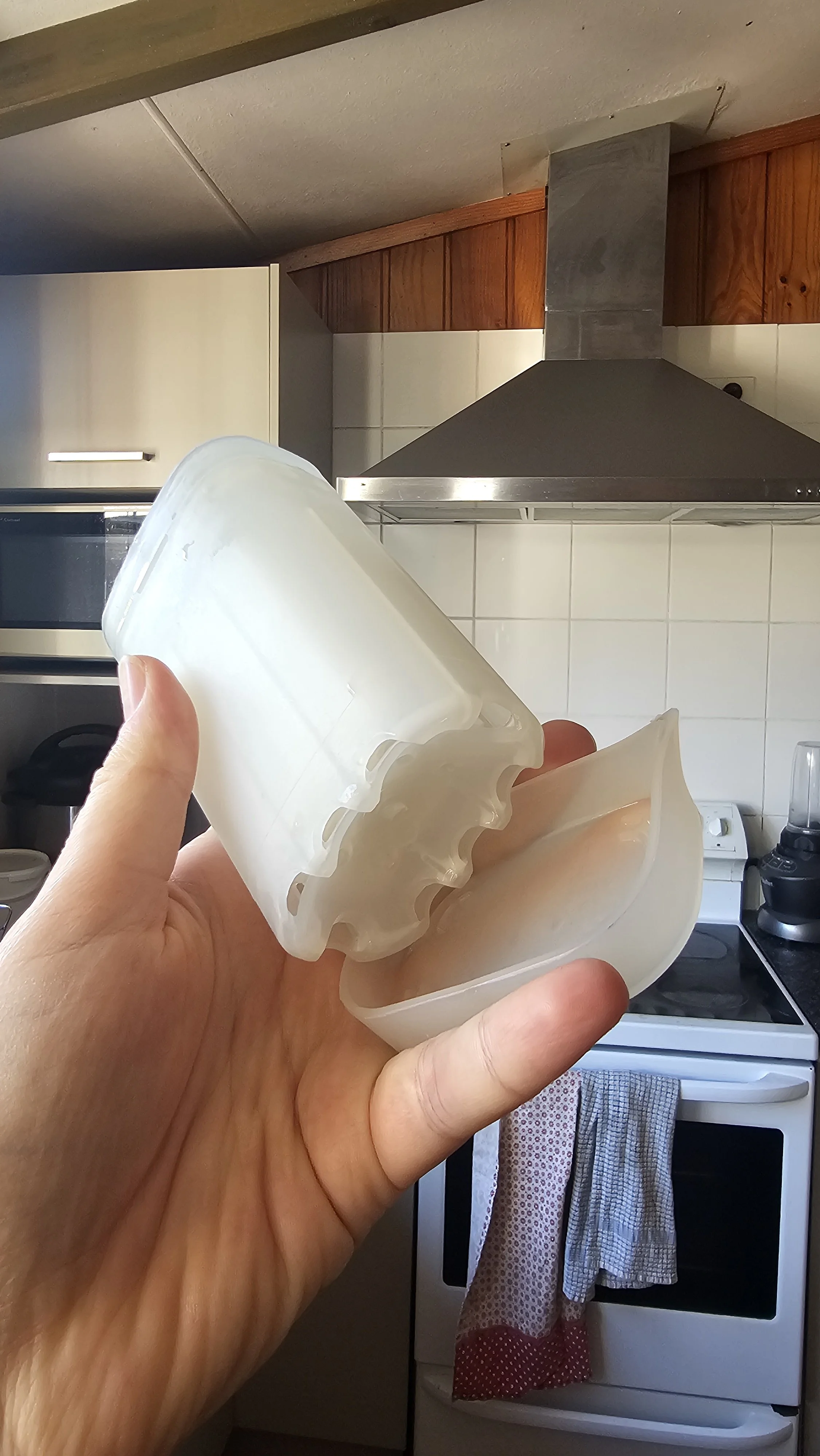
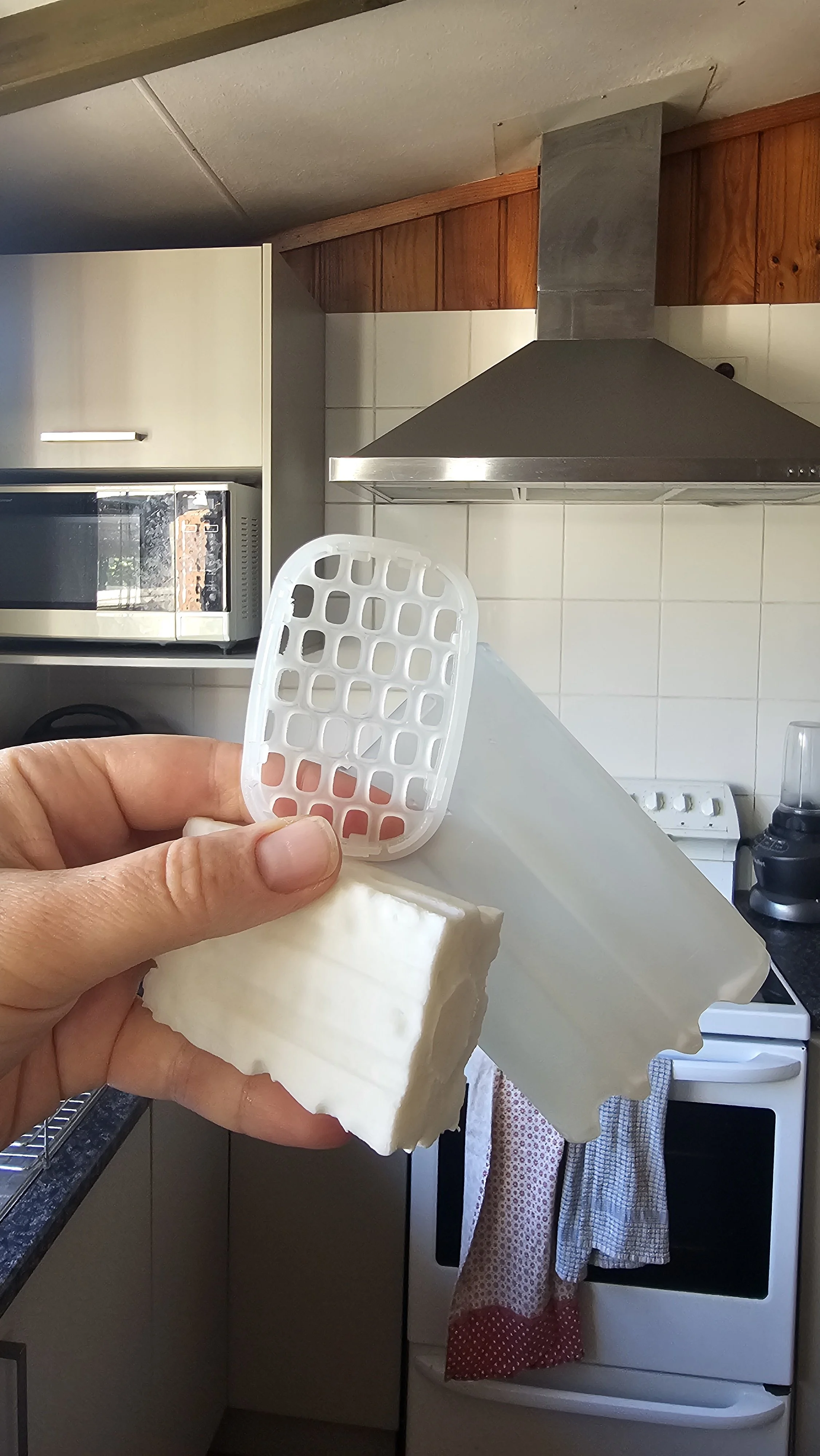
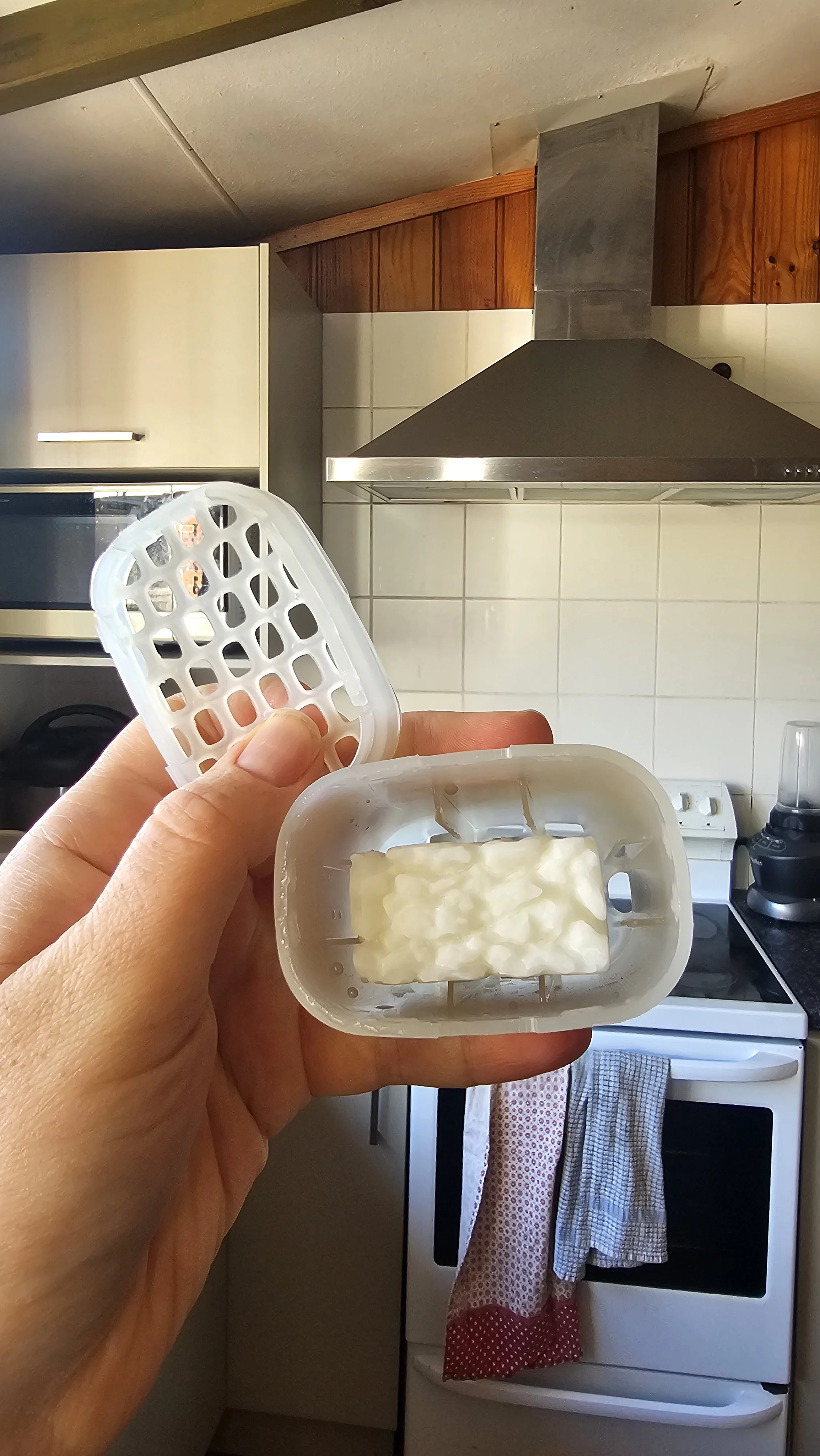
What impressed us just as much as the formula was Dishpod’s design. Dishpod isn’t just a bar - it’s a cleaning delivery system.
Ergonomic handheld pod
Designed to foam easily under running water
Internal flanges to prevent the bar sticking
Drainage holes positioned to keep it dry
Raised base to avoid sogginess
These details weren’t accidental. They were refined over years and they’re a big part of why the product performs so well. Every time Tim uses our Dishpod and we have visitors over, he proudly shows them the drainage holes and clever design as a wee party trick! Sometimes they yawn (we are talking about dishes) but most often they’re all on board and highly impressed.
Dishpod has Award-Winning Design (For Good Reason)
Dishpod has received:
Good Design Award (Australia)
Best New Sustainable Product (New Zealand)
And after using it - we can see why. It’s one of those rare products where design and function genuinely work together for the best possible outcome.
So who is Dishpod?
Dishpod is a New Zealand-based, family-run business with over 18 years of experience in soap and cleaning products.
What we like:
Developed through real-world trial and iteration
The bar is equal to up to 3 bottles of liquid dishwash - depending on how much and how long you’re using it for.
Manufactured commercially in New Zealand by people paid a living wage (love this!)
Uses 100% post-consumer recycled plastic for the pod
Ingredients independently verified for safety (Environmental Working Group standards)
Supports environmental initiatives like Project Upstream
They’ve built something that sits in a really rare space:
→ performance
→ sustainability
→ convenience
Why All This Matters
Dishwashing is something we all do. Every day. And when a small, everyday habit becomes more sustainable - without making life harder - that’s where real change happens.
This isn’t about perfection - I’m not sure that exists. It’s about finding better systems, tools, and options of products to impact our lives, planet and people.
The Honest Ethically Kate Take on Dishpod
We don’t recommend products lightly. But this is one that we can genuinely get behind. You can swap to Dishpod and not feel like you’re compromising anything (your values or the dishes) - it ticks all the boxes.
It’s simple.It’s effective.And it solves a problem we’ve personally run into for years.
Ready to Try Dishpod?
If you’re looking to upgrade your dishwashing setup - this is a very easy place to start (they make great gifts too!).
Use code KATE15 for a 15% discount. Check out Dishpod here.
Want to Learn More First? You can also follow Dishpod here: @Dish.pod
Frequently Asked Questions (FAQ)
What’s the difference between soap and detergent for dishwashing?
Soap is made from oils and can struggle with grease and leave residue. Detergents are specifically engineered to break down grease effectively - which is why Dishpod performs more like a liquid dishwashing product.
Why does Dishpod clean better than most eco dish bars?
Because it uses a concentrated detergent formula (not soap), designed to cut through grease and rinse clean without residue.
Is Dishpod eco-friendly?
Dishpod reduces plastic waste through a refillable system, uses recycled materials, and focuses on safer ingredient profiles verified by independent standards.
How long does a Dishpod bar last?
Each bar is highly concentrated and typically lasts significantly longer than traditional liquid dishwashing products, depending on usage.
Is Dishpod made in New Zealand?
Yes - Dishpod is a New Zealand-based business with local manufacturing and design.
Does Ethically Kate test the products they recommend?
Yes. Every product goes through real-life testing, research, and supply chain review before being recommended.
What makes Dishpod different from traditional soap bars?
Most dish bars are soap-based and can struggle with grease. Dishpod uses a detergent formula, which delivers stronger, more consistent cleaning performance.