Is The Go Green Expo Actually Green?
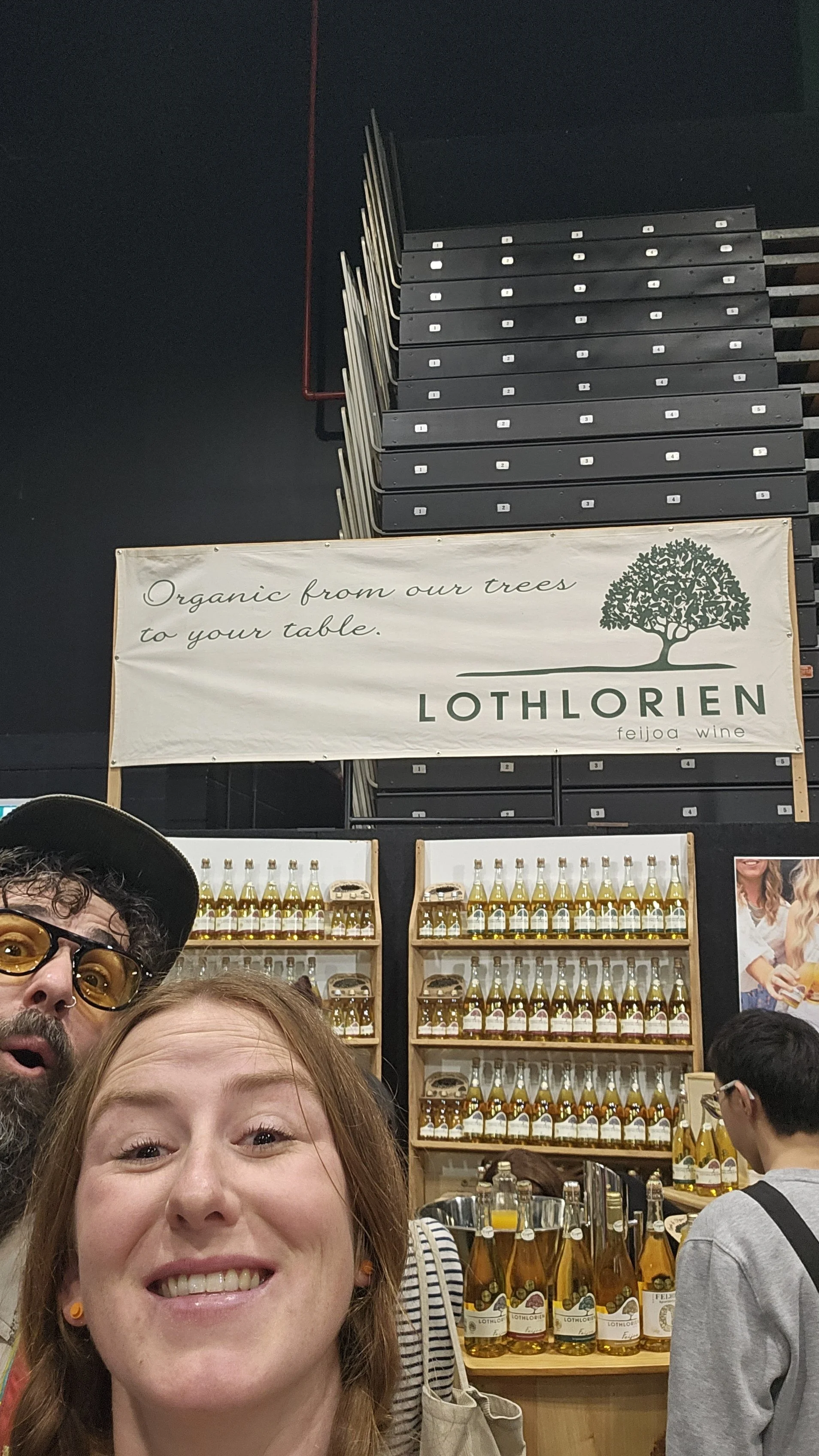
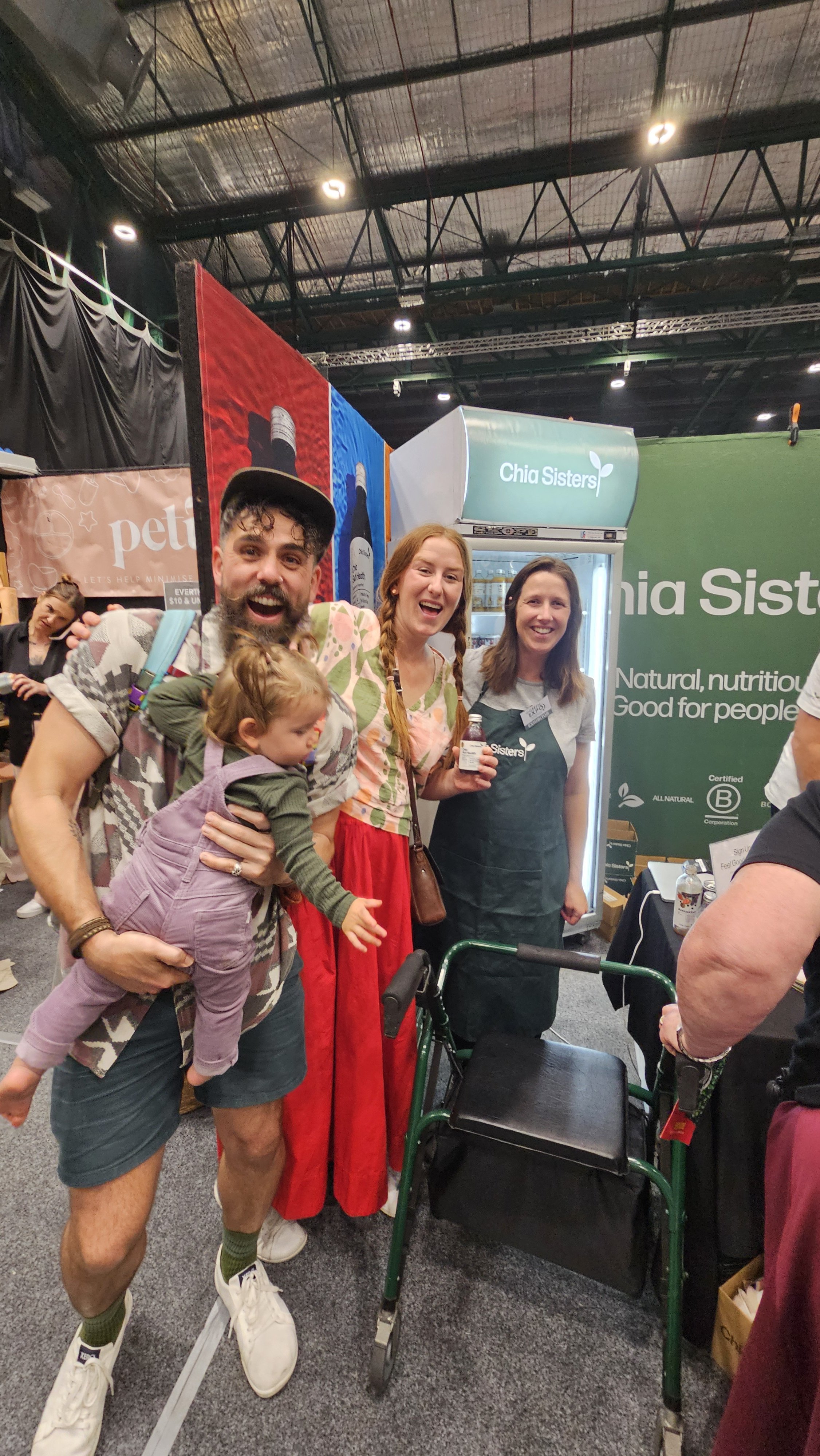
This weekend Tim and I went along to the Go Green Expo in Auckland.
I hadn’t actually been in probably three or four years; I was really excited. Specifically because there are so many sustainable brands there that we already know, use in our home, work with professionally, or have followed online for years. It felt exciting to be able to see those people and products in person again.
That is still, in my opinion, the biggest strength and value of an event like this.
There is something really powerful about being able to:
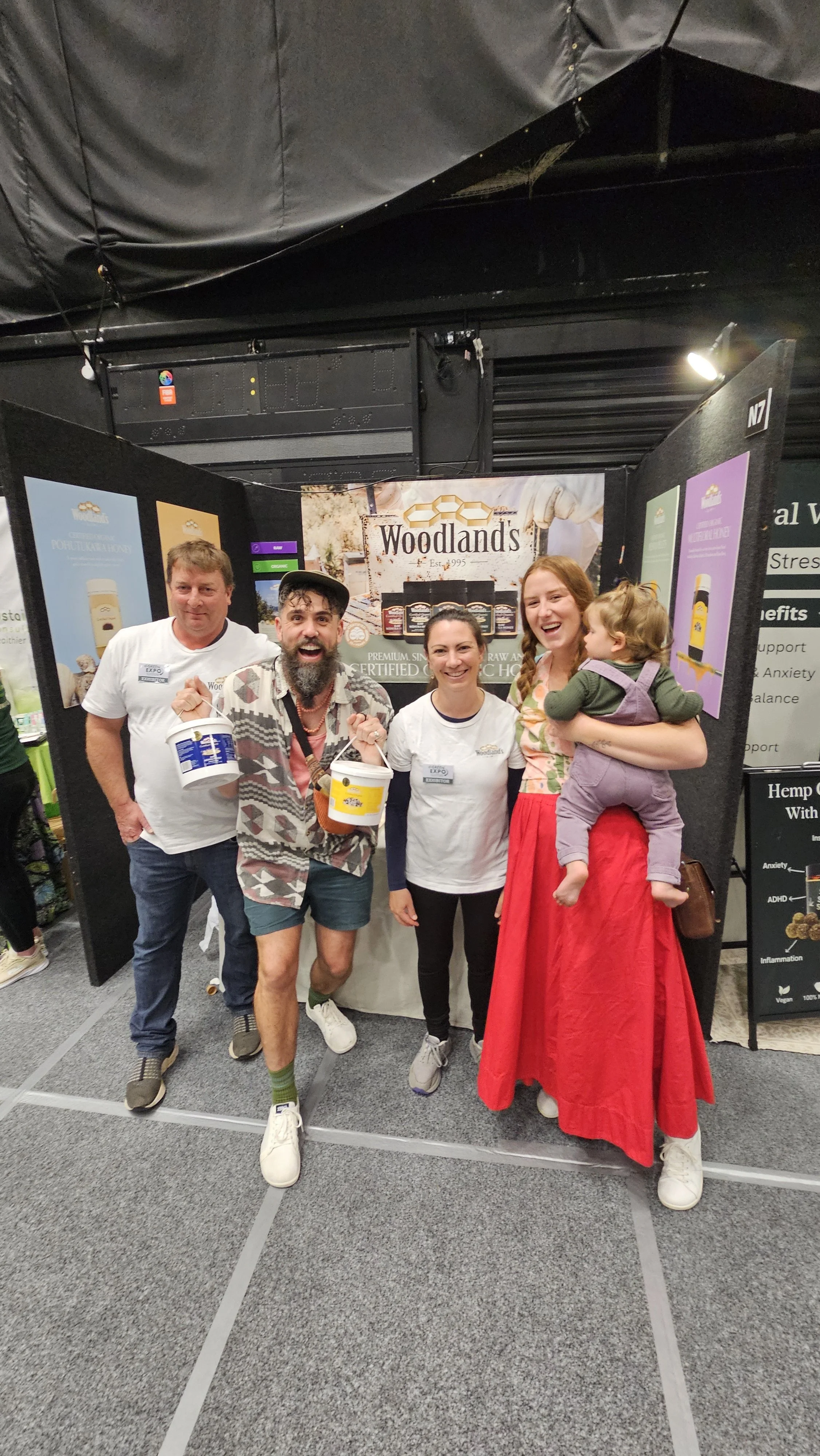
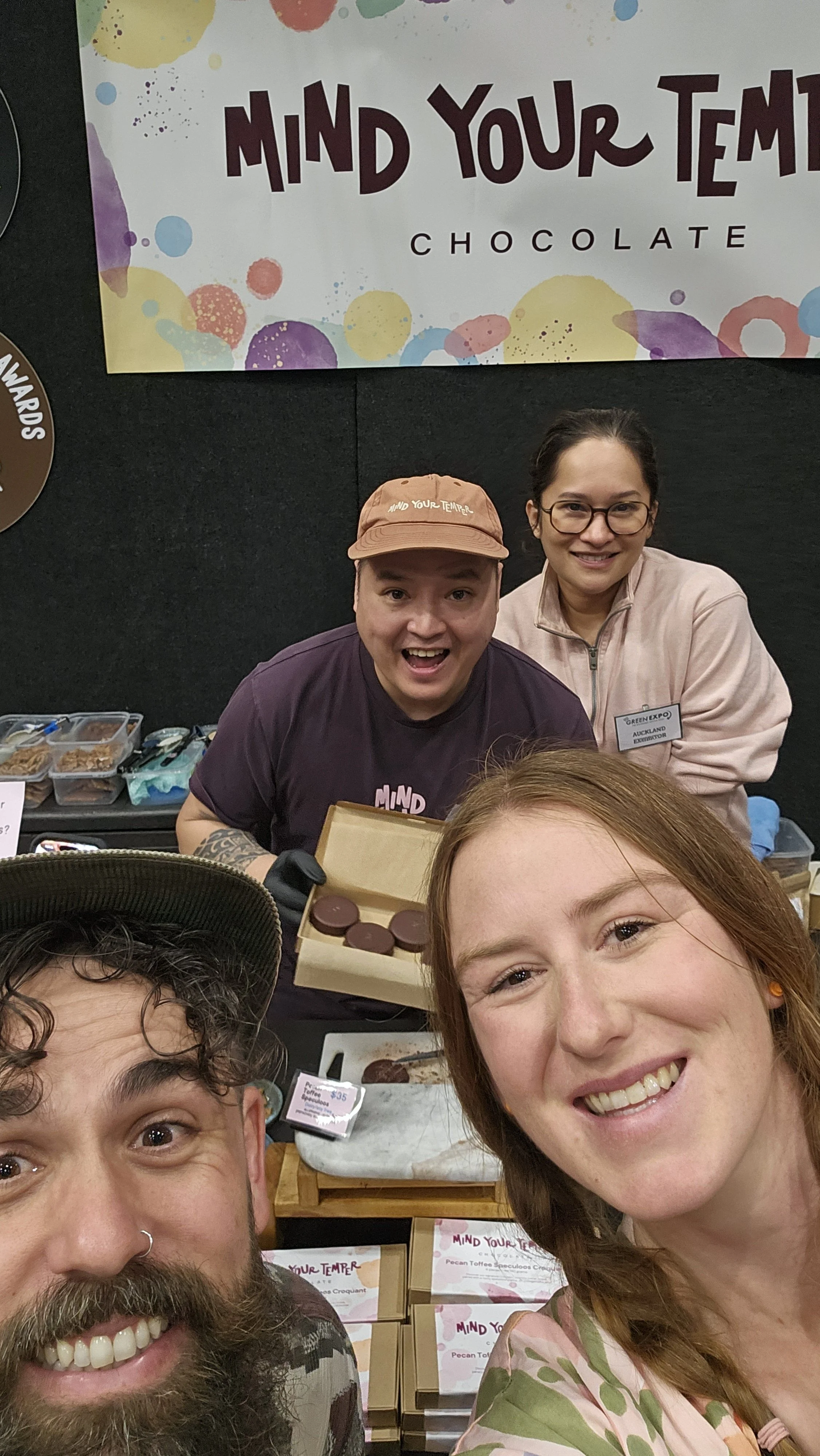
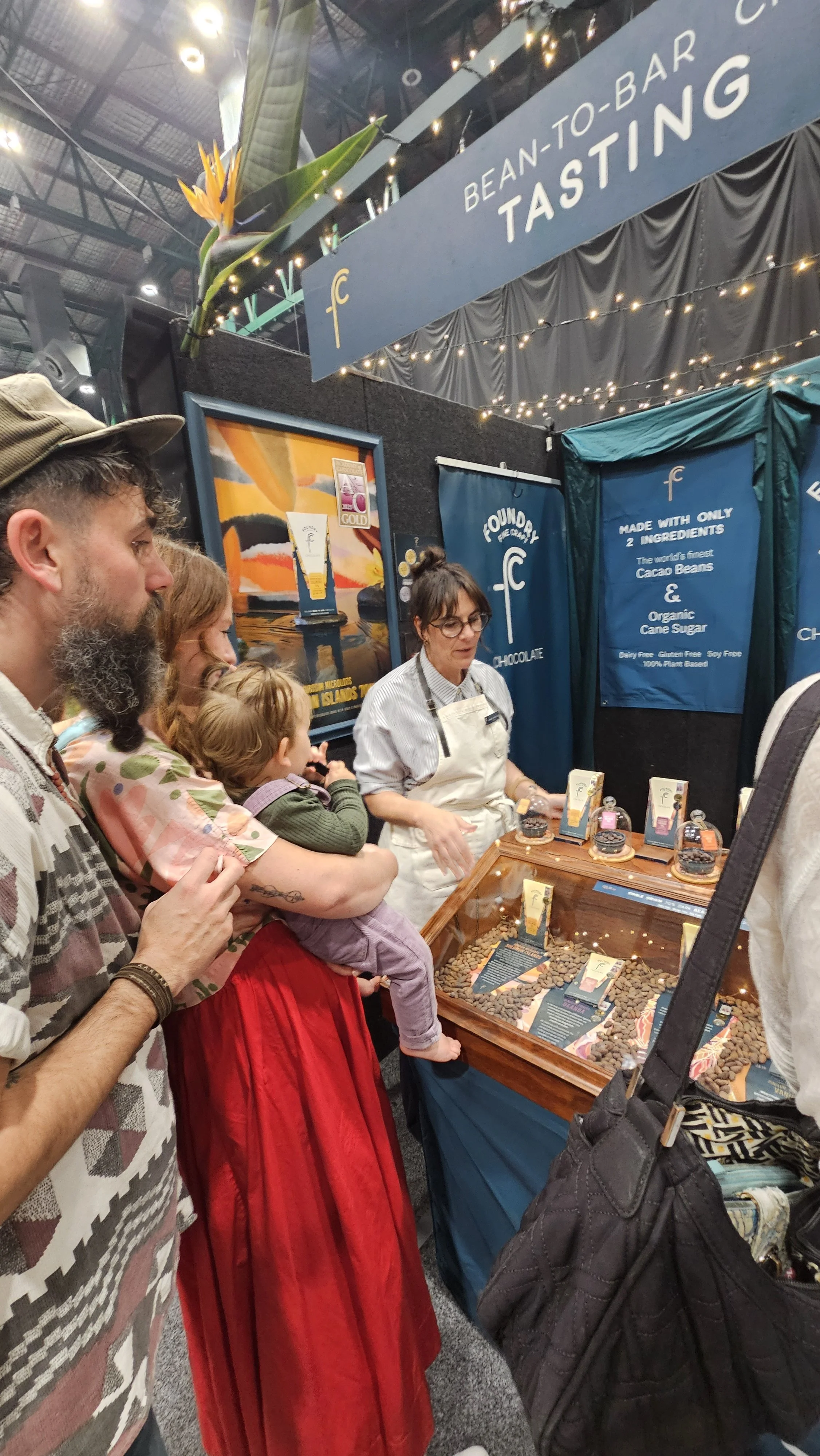
taste products from brands like Foundry Chocolate, Woodland’s Honey, and Mind Your Temper
try on shoes from ROAM Barefoot
see colourful reusable products from The Green Collective
meet founders face-to-face
ask questions
physically interact with products before purchasing
In an increasingly online world, that kind of real-life connection matters. There were some phenomenal brands there doing genuinely thoughtful, values-led work.
But if I’m being honest, I left feeling conflicted too.
Because I think when most people attend something called a “Go Green Expo”, there is an understandable assumption being made: that the brands present have been meaningfully vetted for sustainability.
That people should be able to walk in and feel relatively confident that the businesses they’re discovering, learning from and shopping with have some sort of legitimate environmental or ethical angle. They certainly don’t need to be perfect, but at least have some credentials and sustainable intent.
But that… didn’t really feel true.
Tim and I found ourselves repeatedly asking brands:
“What’s your sustainability angle?”
And surprisingly often, the answers were vague, unclear, improvised… or entirely absent.
Sometimes people looked confused by the question altogether.
Which honestly felt bizarre in the context of a Go Green Expo.
I want to be careful here, because this is not me trying to publicly shame individual small businesses. Running a business is hard right now. Markets are tough. Expos are expensive. I understand the pressure organisers are likely under to fill stalls and make events financially viable.
But I also think standards matter.
Because the whole value of a “green expo” is trust.
If attendees begin feeling like the word “green” has become broad, vague or largely unvetted, then the event slowly loses the very thing that makes it special.
And more importantly, I actually think it becomes unfair on the genuinely sustainable brands exhibiting there too.
Because many of those businesses have invested years into:
ethical sourcing
lower waste systems
better materials
transparency
certifications
slower growth
harder business decisions
To place those businesses alongside brands with little-to-no clear sustainability credentials risks flattening all of that effort into simple aesthetic “green-ness”.
And I’ve already heard from both attendees and sustainable brands themselves that this dilution is affecting how seriously people take the expo.
Some attendees told us they felt less likely to return in future because they no longer trusted the curation.
Some sustainable brands apparently haven’t re-signed because being surrounded by businesses that don’t align with their values can actually weaken their own brand positioning.
That feels important to talk about.
There were also some missed opportunities operationally that surprised me.
For example:
The rubbish and recycling systems didn’t appear particularly well managed. Bins weren’t clearly supervised or sorted, contamination seemed high, and there didn’t seem to be much structure around helping attendees dispose of waste correctly.
Likewise, reusable systems felt largely absent - which feels like relatively low-hanging fruit for an event centred around sustainability.
Again, none of this is written to “bag” the Go Green Expo.
Quite the opposite actually.
I genuinely want it to thrive.
I think New Zealand desperately needs physical spaces where people can discover ethical businesses, connect with founders, learn practical sustainability ideas and make more conscious purchasing decisions.
That matters enormously. But I also think the integrity of those spaces matters too.
And perhaps now more than ever, people are craving clearer standards, stronger curation and more transparency around what “green” actually means. Because otherwise the risk is that “sustainability” simply becomes another marketing aesthetic instead of something meaningful. And that would be a real shame - especially for the many brilliant brands there genuinely trying to do things better.
To conclude, I think the core concept behind the Go Green Expo is fantastic - and deeply needed here in New Zealand. The idea that people can walk into one space and discover a whole range of values-aligned, sustainability-focused brands in person is incredibly powerful. It lowers the barrier to conscious shopping, helps smaller ethical businesses get discovered, and creates real-world connection in a space that is increasingly online. I genuinely hope this feedback is received in the spirit it’s intended - as encouragement toward protecting and strengthening the integrity of something that could be incredibly valuable for both shoppers and genuinely sustainable businesses alike.