Lothlorien Winery: Organic Feijoa Wine Made in NZ
There are some people who are notoriously difficult to buy presents for. My mum is not one of them.
Christmas? Feijoa Wine.
Birthday? Feijoa Wine.
Mother’s Day? Feijoa Wine.
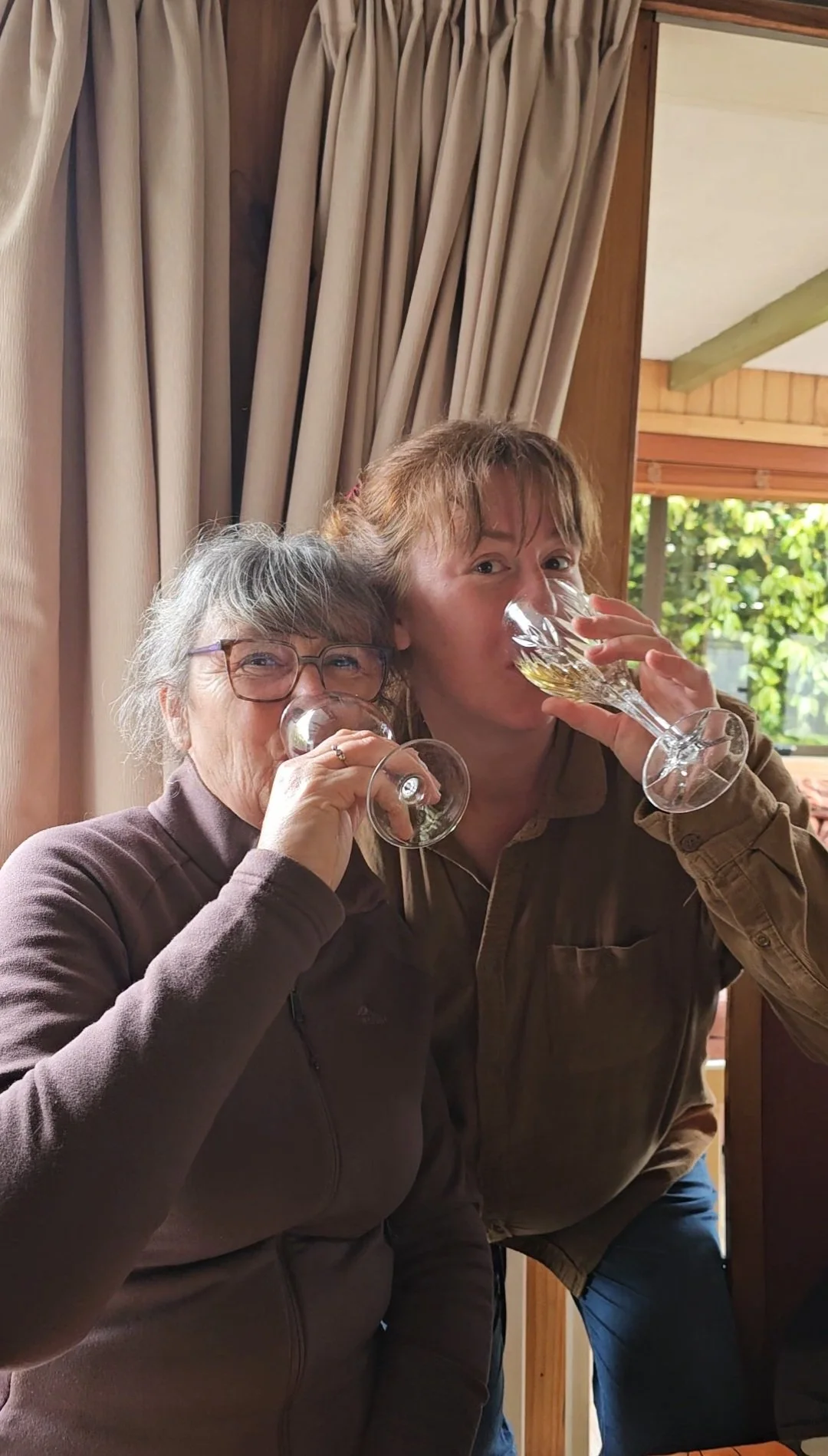
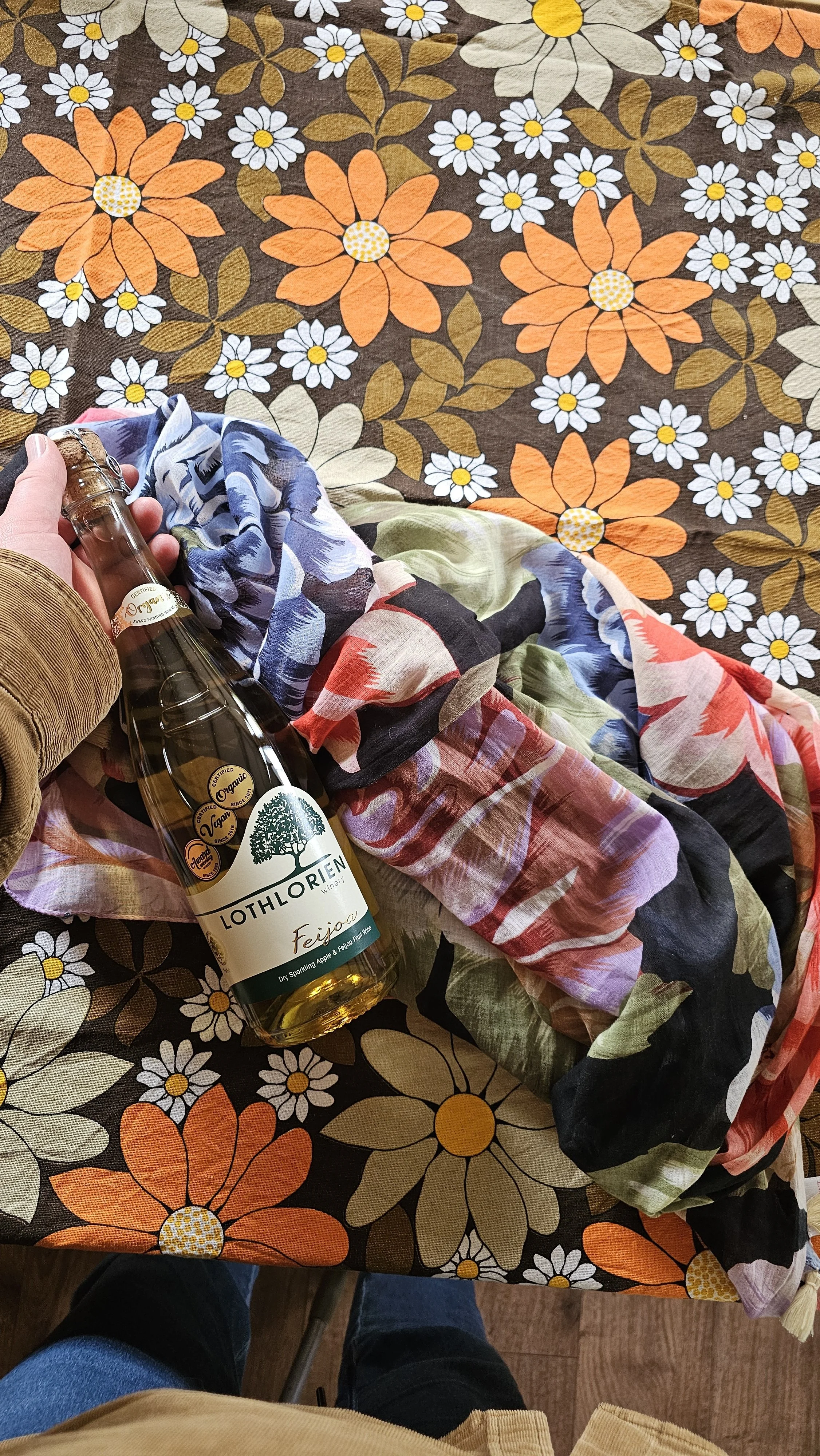
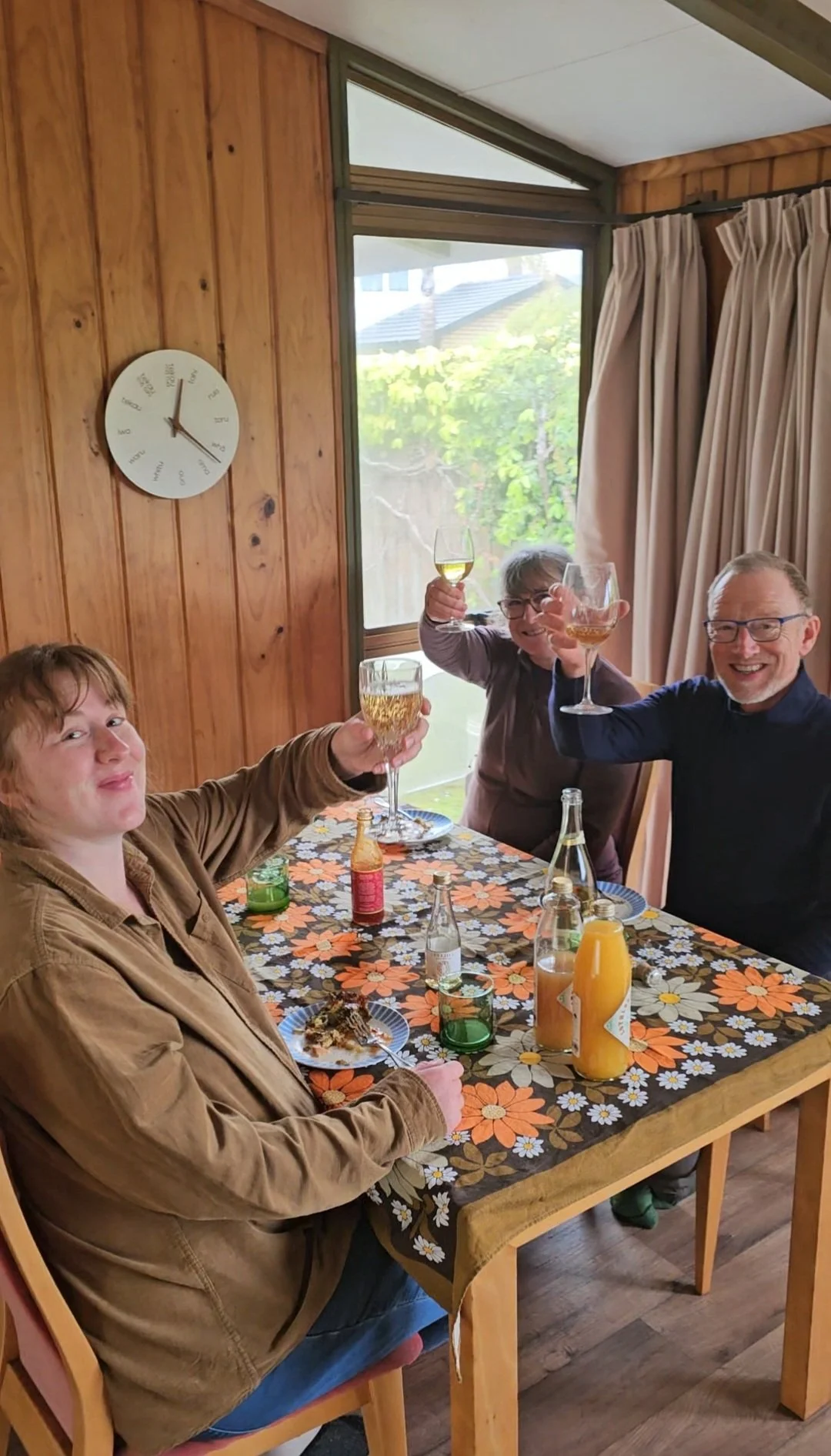
My dad knows it. My siblings know it. Tim knows it. I think we could all turn up to the same family occasion carrying a bottle of Lothlorien Winery Feijoa Wine and nobody would be surprised. Mum loves it, we know she loves it, so when we want to bring her something special, we know exactly what to get.
We’ve been doing this for years.
Which makes this partnership with Lothlorien Winery a particularly lovely one for me, because this isn’t a product that arrived at our door last week with a brief asking me to tell you how much I love it.
We were customers first.
Who is Lothlorien Winery?
Lothlorien Winery is a family-owned New Zealand winery just north of Puhoi; which makes them almost neighbours of ours here on the Hibiscus Coast.
Their family has been farming the property organically since 1971, well before organic certification was something you could stick on the side of a bottle. Today, the operation is BioGro certified organic, but what I like is that the certification came after the philosophy. Looking after the land was already how they farmed and their thinking is very long-term: this is the land they want their children and grandchildren to be able to live healthy lives on in the future.
That immediately gave me a green flag.
Because “organic” can sometimes become another marketing word slapped on the front of something. Here, it runs through how they grow, make and handle their wines and juices.
From their trees to your table
Feijoas are at the heart of Lothlorien Winery.
They grow their own, while also buying additional fruit from other certified-organic growers so they're not completely at the mercy of one season's harvest.
I particularly liked learning what happens when they have more fruit than they need for their wine and liqueur ranges.
They make juice.
Instead of purchased fruit potentially becoming waste when demand or harvests fluctuate, surplus feijoas can be redirected into their juice.
Which brings me neatly to what I'm drinking at the moment.
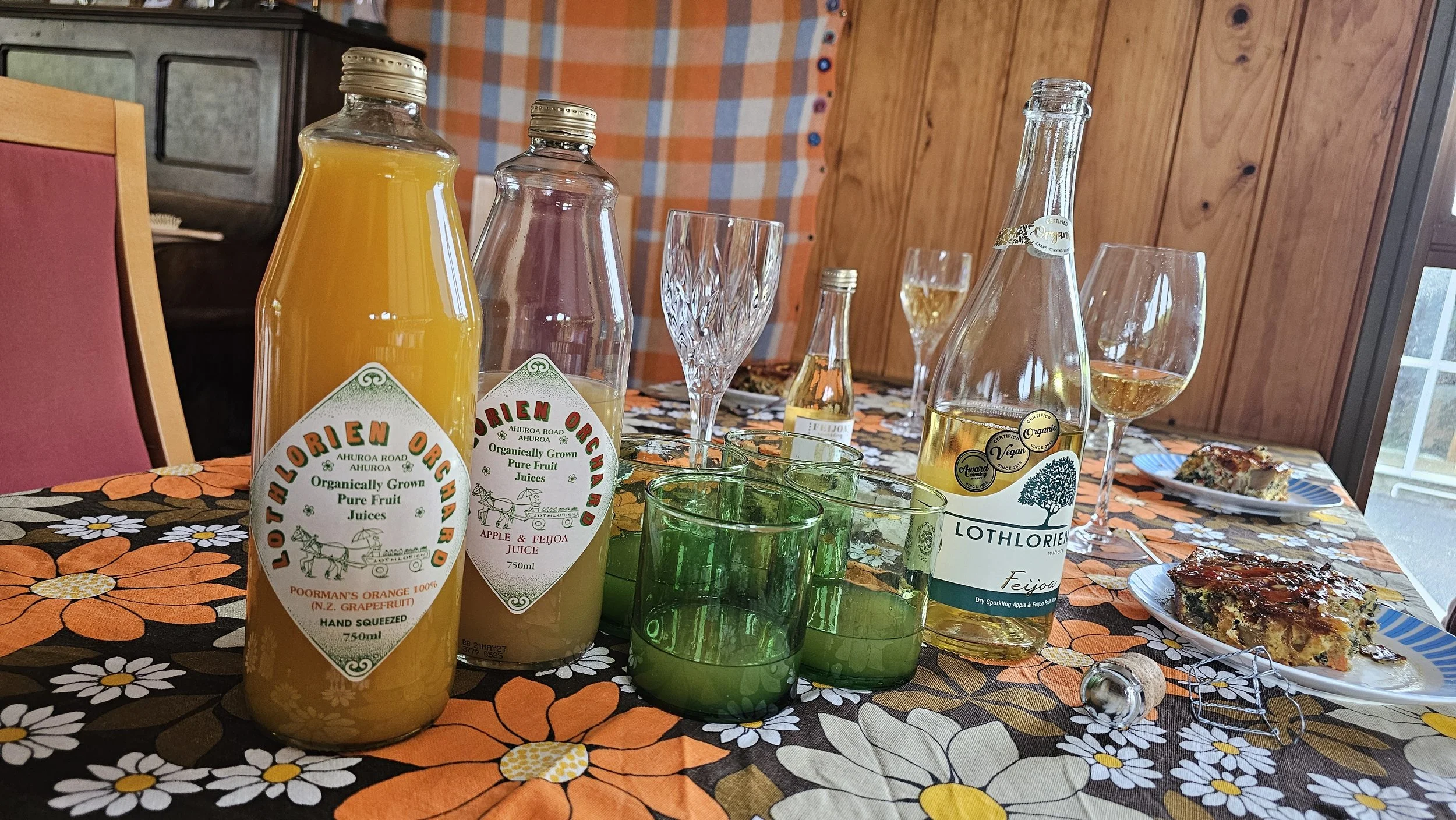
The wine might be Mum's, but I'll take the juice...
I have tried A LOT of 0% options in my time. Having been pregnant or breastfeeding consistently for over 2 years, I have become quite the tester. Lothlorien Winery’s Feijoa Zero Percent Wine is THE best I have ever tried. It’s as refreshing as their alcoholic Feijoa Wine, perfectly bubbly, and generally makes me feel like I am not missing out on a cold treat with friends.
There's something quite nice about being able to arrive at the same table with products from the same local producer, whether you're drinking alcohol or not.
That's an important distinction for this partnership.
I'm not drinking Lothlorien Winery's wine at the moment. I'm recommending it as someone who has bought it as a gift for years.
Responsible conversations around alcohol matter to both us and Lothlorien Winery. So rather than awkwardly dancing around that, I'd rather be completely transparent about it.
Mum can have the Feijoa Wine.
I'll happily have the feijoa zero percent.
Everyone wins.
They're doing some pretty cool things with waste too
Lothlorien Winery’s approach is essentially to ask whether something has another useful life before treating it as waste.
Production by-products largely head back into the orchard, returning organic matter and nutrients to the land. Even some of the non-organic production materials have found uses around the property, such as mulching or stabilising bare ground and even art sculpture.
Their cardboard boxes are kept relatively simple so they can be reused and recycled, and they deliberately avoid adding decorative layers of packaging simply for the sake of making something look more premium.
Lothlorien Winery even sends used bottles to a local candle maker who cuts them down and gives them another life as candle jars.
One of my favourite things about them is that they used to have a bottle-return system where bottles were professionally washed, sterilised and returned for reuse. That service disappeared around a decade ago and they'd love to see something like it return to New Zealand.
Yes please!
Sustainability isn't just about the feijoas
Something else I appreciated when getting under the hood of the business is that their definition of responsibility extends to people too.
Over recent years they've been working on employment, pay, recognition and development within the business. They support the Living Wage, prioritise hiring locally where possible, and have been working to create a workplace that better accommodates different people's needs.
They're also deeply involved in their local community, supporting school fundraisers, emerging art exhibitions and charity events, as well as smaller community events and farmers' markets.
I particularly appreciated one detail given the product we're talking about: when supporting schools, they're deliberate about keeping alcohol promotion separate from children. That's exactly the sort of nuance I want to see from an alcohol brand.
So, would I recommend Lothlorien Winery?
Well... I already have been. Just not necessarily publicly.
Every time someone in the family has thought, What should we get Mum?, we've somehow ended up back at the same bottle.
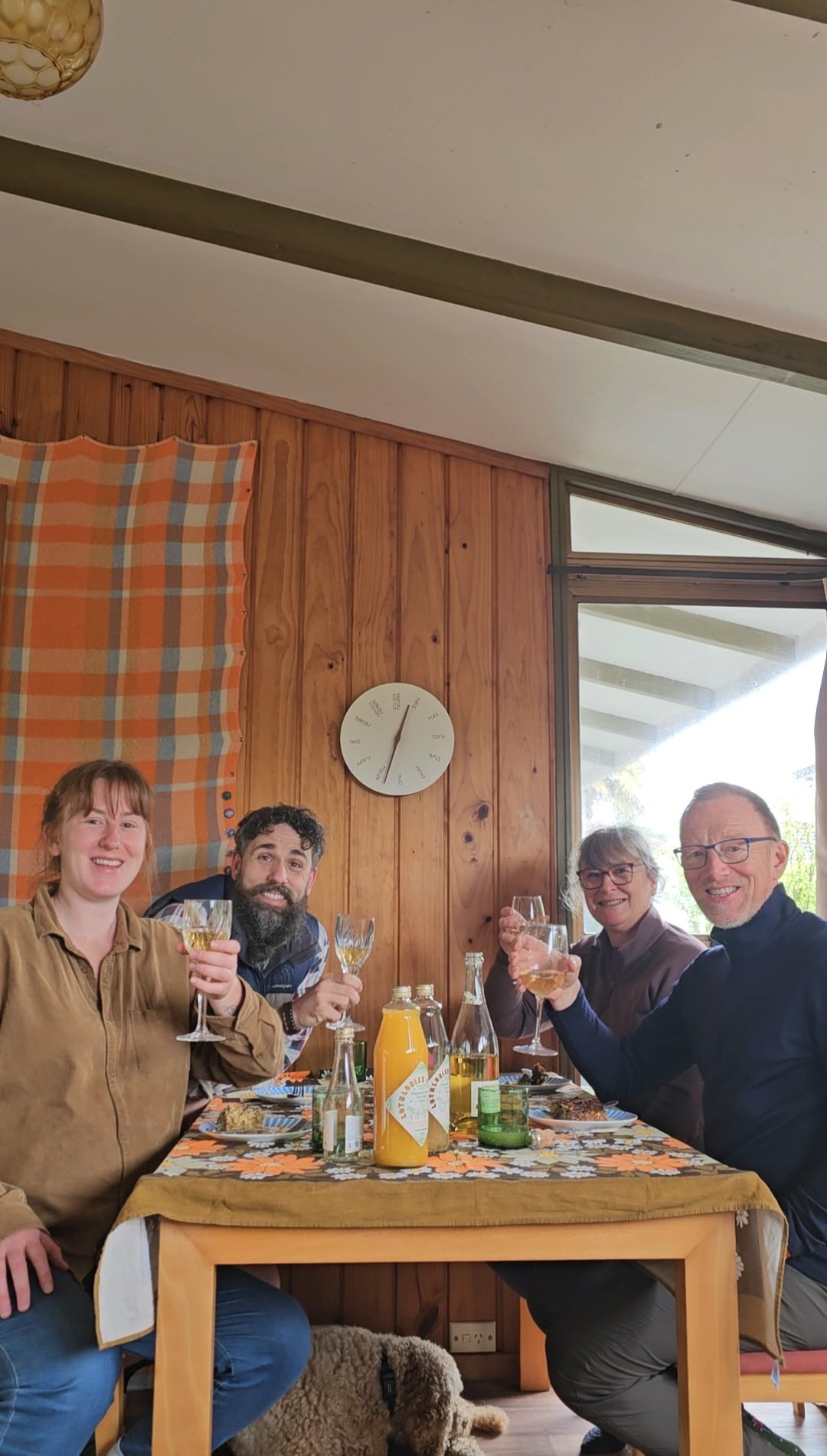
So this partnership feels less like discovering a new ethical brand and more like finally telling you about one that's already been sitting at our family table for years.
There are things I particularly like now that I've looked deeper: certified organic production, their approach to waste, minimal packaging, local employment, and the fact they're a New Zealand-owned family operation.
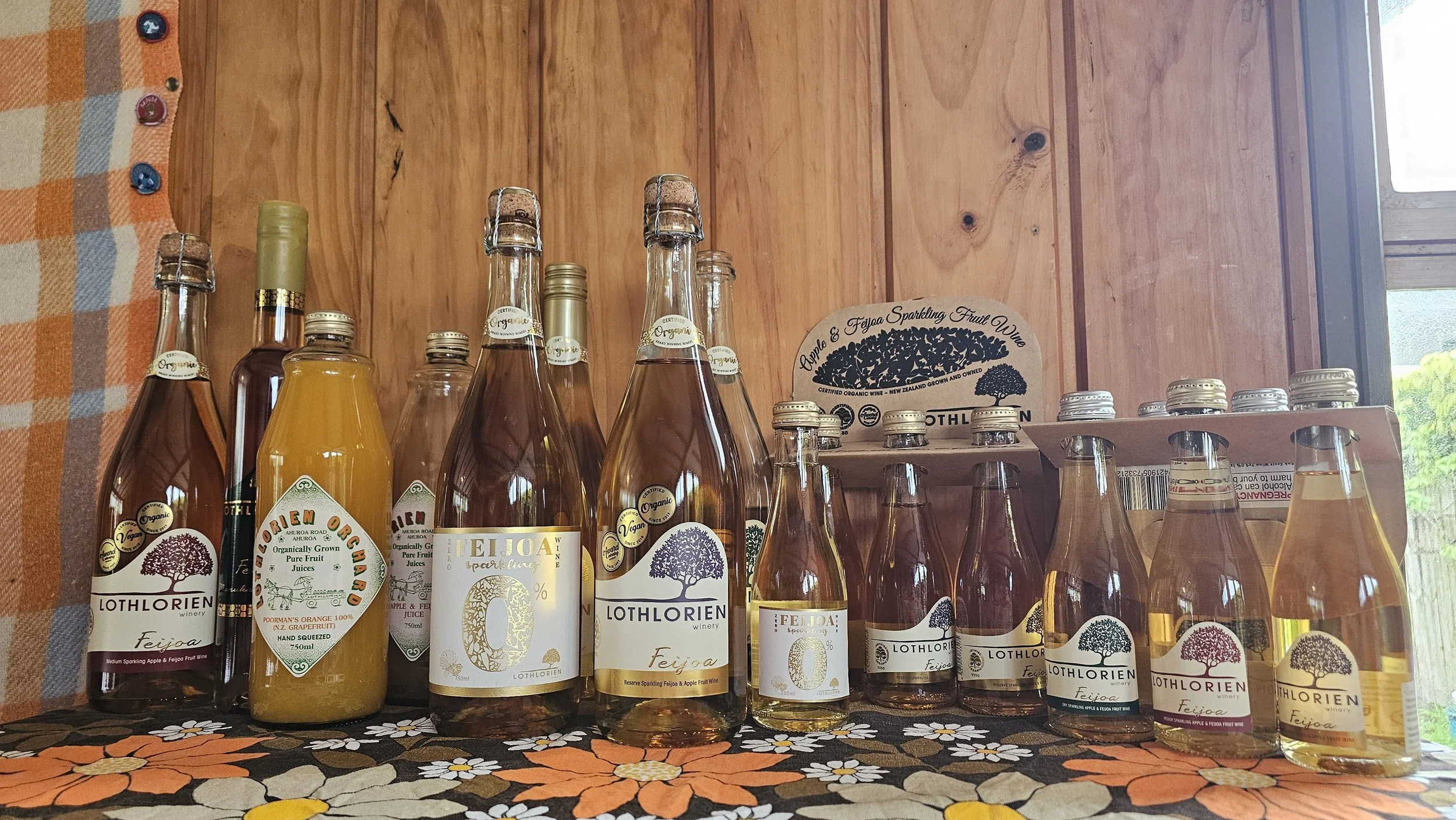
Want to try Lothlorien Winery?
Whether you're looking for a bottle to take to dinner, something a little different for a gift, or an alcohol-free option for the table…
Explore the Lothlorien Winery range now.
Looking for it locally? They have a list of stockists on their website too.
This article was created in a paid partnership with Lothlorien Winery. As always, partnerships don't buy my opinion. In this case, we'd been buying the product ourselves long before the partnership existed.
Frequently Asked Questions About Lothlorien Winery
Where is Lothlorien Winery located?
Lothlorien Winery is a family-owned New Zealand winery located just north of Puhoi, near Auckland. They've been farming organically on their family property since 1971, producing their well-loved Feijoa Wine alongside a range of other fruit-based drinks.
Is Lothlorien Winery's Feijoa Wine organic?
Yes! Lothlorien Winery is BioGro certified organic and has been farming organically since 1971, long before organic certification became commonplace in New Zealand. Their organic approach extends beyond growing feijoas to the ingredients and processes used to make their wines and juices.
Does Lothlorien Winery make non-alcoholic wine?
Yes! Lothlorien Winery makes a Feijoa Zero Percent Wine, which is a lovely alternative for people choosing not to drink alcohol. They also produce fruit juices, including apple and feijoa, and grapefruit. I've personally tried plenty of 0% options and their Feijoa Zero Percent Wine is one of my absolute favourites!
What makes Lothlorien Winery sustainable?
Lothlorien Winery takes a thoughtful approach to sustainability, from certified organic farming to reducing waste during production. They return many production by-products to their orchard, minimise unnecessary packaging, reuse materials where possible and support local employment and community initiatives.
Where can I buy Lothlorien Winery Feijoa Wine in New Zealand?
You can explore the Lothlorien Winery range through their official website, where you'll also find information about stockists throughout New Zealand. It's become our family's go-to gift for Mum, so we've become quite familiar with our local bottle shops that stock it!
Is Lothlorien Winery a New Zealand-owned business?
Yes! Lothlorien Winery is a family-owned and operated New Zealand business based near Puhoi, north of Auckland. Their family has been caring for the land for generations, with a strong focus on organic farming, responsible production and supporting their local community.