How Do We Raise Kids Who Care About The Planet Without Overwhelming Them?
Gifts make me uncomfortable. I know that’s a little over the top, but when it comes to birthdays and Christmases I stress a little while thinking about the unwanted gifts that may appear in my hands, giving me mental stress and burden rather than freedom, curiosity, and fun. That’s why I love experiences so much.
My husband, Tim, and I have had over a decade of practice giving kids gifts to our two nieces. Tim and I have deliberately tried to give them experiences rather than more toys to clutter their rooms and be forgotten about.
One favourite was giving them a choose-your-own-adventure sleepover. Inside their cards were options they could tick themselves: what they wanted for dinner, whether they wanted fishing or the spa pool, a movie or dance party, and so on. There wasn't much to unwrap. But there was anticipation, choice, time together and a memory at the end of it that we’ll all treasure forever.
Especially now that we have a daughter of our own (and another baby on the way!), when it comes to gifts I like to think about what we are actually hoping to give them. Another possession? Or curiosity, connection, confidence, play and memories?
Kids already have a lot to carry
The gifting topic brings me to the question I often ask myself now that my nieces are old enough to talk to and have decent conversations with. Do we tell them why we’re keen on giving experiences over physical gifts? Do we burden them with the issues of waste and plastic in the toy industry?
Truthfully, the reason why we are conscious of our gifts with our nieces and our daughter is partly because we know they will remember experiences more than ‘stuff’. But another part of it is consciously boycotting the toy industry in efforts to care for the planet.
According to UNICEF’s 2025 Generation Plastic report, around 90% of toys on the market are made from plastic. Not only that but toys are often made from mixed materials, meaning even if they are made from a recyclable plastic, it’s likely the parts (electronics, metals, fabrics, plastics) cannot be separated from each other, deeming the whole thing suitable only for the rubbish bin.
I’m definitely not completely anti-toy. Some toys are played with for years, passed between siblings and become genuinely treasured things. But we all know the other kind too: the plastic thing that creates huge excitement for a week, breaks, loses a crucial piece, or gets forgotten at the bottom of the toy box.
I want to talk openly to my nieces and children about this topic, but I think in some ways it is inappropriate.
The anxiety problem
One major study asked 10,000 young people across 10 countries how they felt about climate change. 59% said they were very or extremely worried, 75% said the future felt frightening, and more than 45% said those feelings were already negatively affecting their daily lives. The American Psychological Association has also highlighted that children and young people are particularly vulnerable to climate-related distress. That’s a lot for young shoulders to carry.
I think about this a lot as a parent and someone who talks about sustainability for a living. Of course I want my kids to understand what’s happening in the world. I want them to care about waste, climate change, biodiversity and the impact of the choices we make. But I also wonder whether, with the best intentions, we can sometimes hand kids too much of the problem without enough hope. The climate crisis isn’t theirs to fix. They didn’t create it, and they shouldn’t grow up feeling like the future of the planet rests on whether they remembered their reusable drink bottle that day.
That doesn’t mean we avoid hard conversations. UNICEF actually encourages parents to be honest about climate change, but to keep those conversations age-appropriate and balance the problems with solutions, hope and practical things children can do. To me, that feels like the sweet spot: raise kids who care deeply about the world, without making them feel responsible for carrying it.
“59% of young people surveyed were very or extremely worried about climate change.”
How do we help kids care without freaking them out?
I think the answer is actually quite hopeful. We can talk honestly with kids about what’s happening in the world, but we can also give them solutions, practical things to do and plenty of reasons to feel hopeful. As a family we can do simple things like getting outside, noticing plants and animals, growing things and creating places for wildlife. None of that requires a scary conversation about the state of the planet first or a lengthy explanation around why you didn’t buy them the toy they wanted.
Maybe the first step in raising kids who care about the planet isn’t teaching them everything that’s wrong with it. Maybe it’s helping them fall in love with it.
Falling in love with nature doesn’t need to be complicated. Look under rocks. Hunt for bugs. Collect sticks. Plant flowers. Go fishing. Notice which birds visit your backyard. Grow strawberries. Explore the beach. Build something. Get muddy. Let them be curious about the tiny patch of the world right in front of them.
The goal isn’t to create tiny environmental activists or make every trip outside a major educational opportunity. Kids should be allowed to just be kids. But if they grow up with muddy knees, favourite beaches, birds they recognise and memories of vegetables they’ve grown with us, I think that caring for those things later will come a whole lot more naturally.
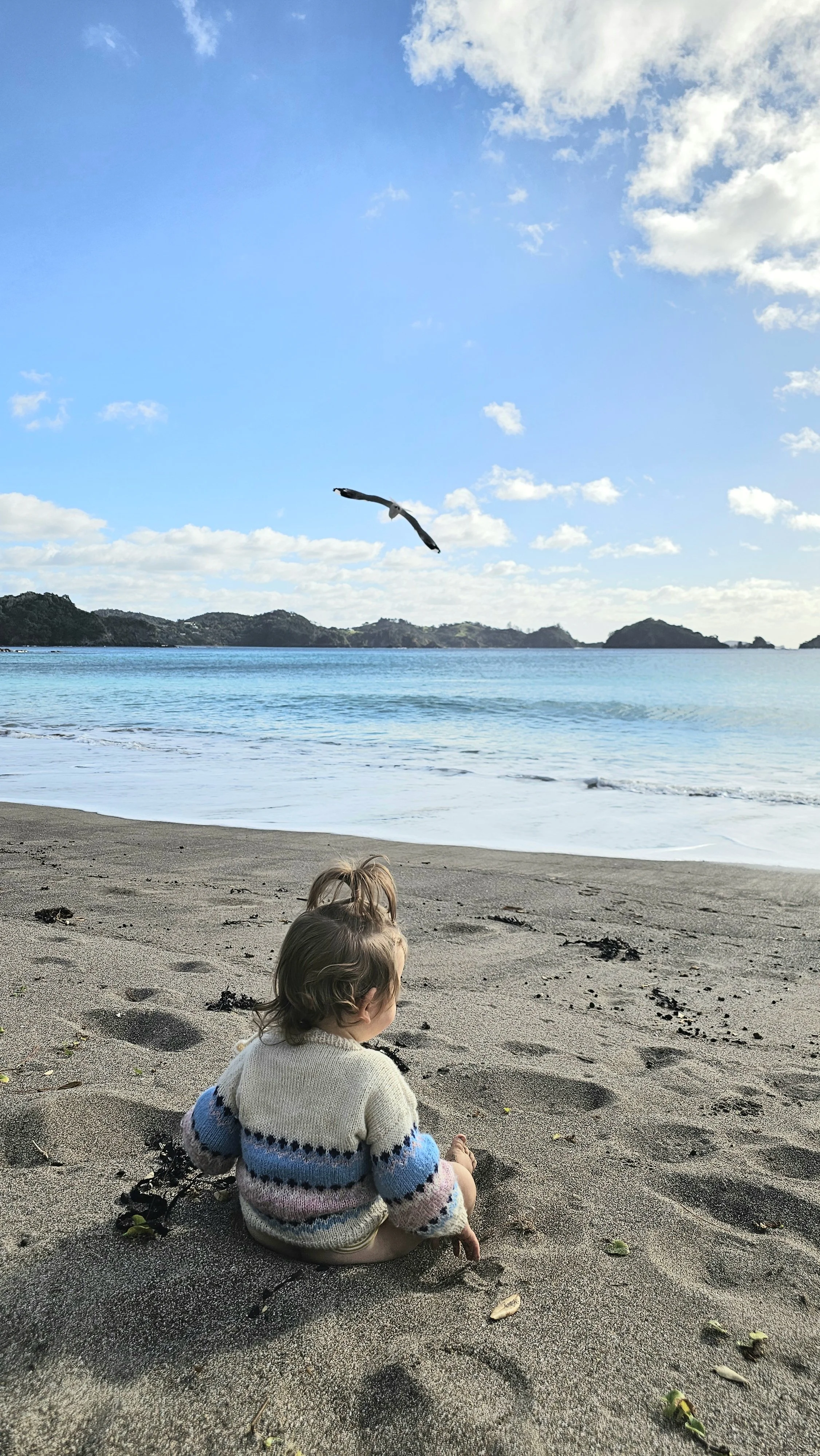

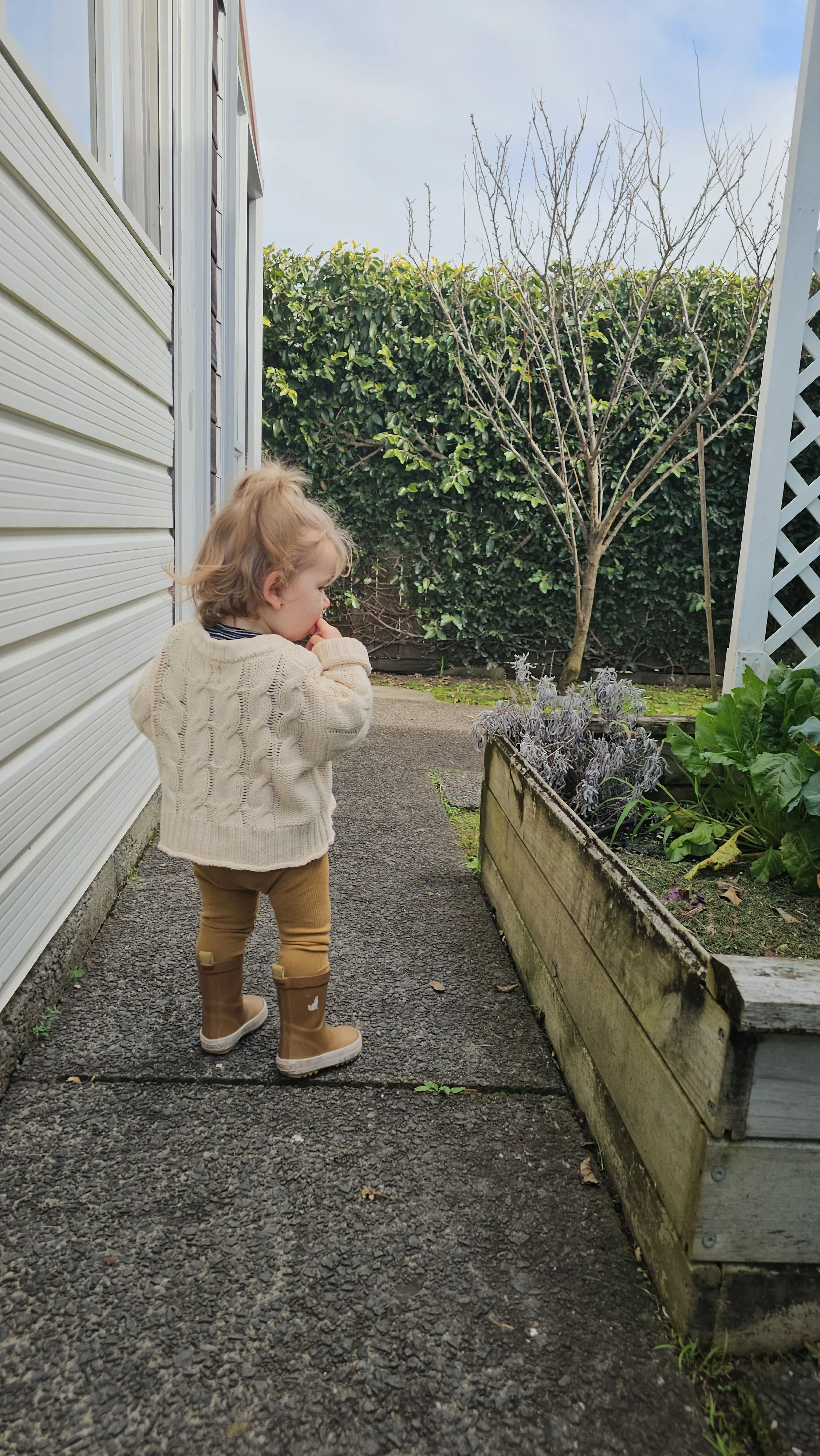
This is why I've loved Sustained Fun for years
This is exactly why I’ve loved Sustained Fun for years. Helen and Anthea, the founders of Sustained Fun, aren’t people I’ve just discovered because they’ve launched a shiny new product. We’ve known, worked with and shared Sustained Fun for years because the way they approach sustainability has always resonated with me. They take some pretty big environmental ideas and turn them into play, curiosity and conversations that kids can actually participate in. It doesn’t feel like a lesson or another thing kids need to worry about. It’s just genuinely fun, with plenty of learning happening along the way.
Mum and I co-purchased Sustained Fun’s Whale Poo & CO₂ puzzle which is hands down one of my most favourite puzzles that I own. I love the little groups of sea creatures in the puzzle that are easy to do in chunks and great to talk about with curious kids. I’ve also had the Sustained Fun Nature Fun Card Games in my glovebox for a couple of years. When I pick up my nieces from school or take them out during the school holidays, we use them to explore our local area.
Now that we’ve got our own little family growing, I love the idea of using these products with our own kids. Tim and I are genuinely looking forward to Orchard and our next little one being old enough to play with them - though it might be a long while until I trust our 14 month old with a puzzle! This is exactly the kind of environmental education I want them growing up with: less “here’s everything that’s going wrong”, and more “look how fascinating this world is, come and explore it with me.”
What is Make a Wildlife Garden?
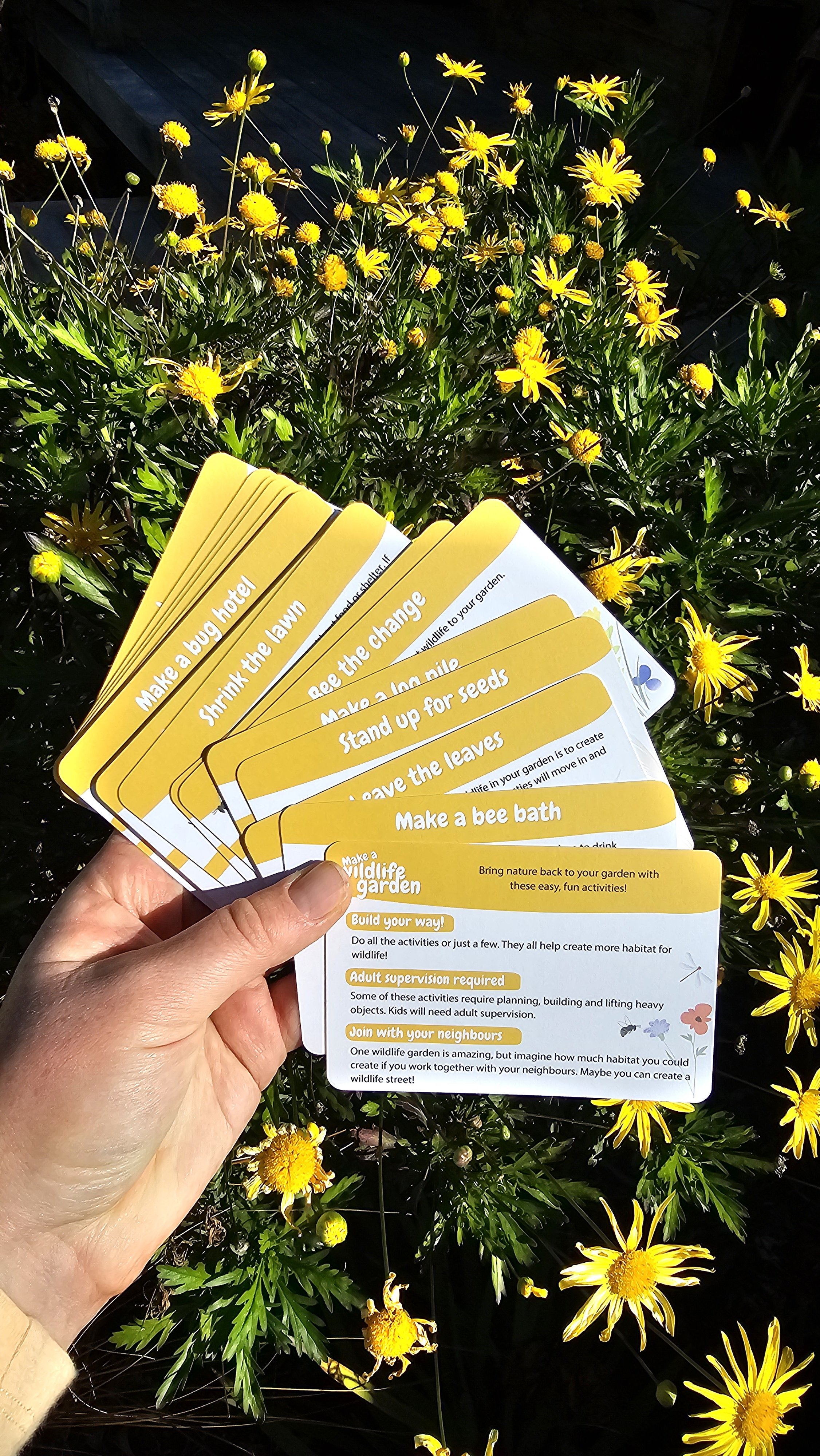
Make a Wildlife Garden is Sustained Fun’s newest product. It feels like such a natural extension of everything I already love about their work. It’s a hands-on activity pack that helps kids and adults turn the space around them into somewhere birds, butterflies, bees and other wildlife actually want to hang out.
I think what I love most is how doable it makes everything feel. You’re not sitting a child down to teach them about biodiversity or habitat loss. You’re heading outside together to plant something, build something, investigate something and then wait to see who turns up. It’s screen-free time together, but with a bit of purpose and adventure thrown in too.
This comes back to that bigger idea for me: give kids something they can actually do. Something small enough to feel achievable and fun, but real enough that they can see the result. Maybe you plant something and eventually notice more bees. Maybe a bird starts visiting. Maybe you simply spend an afternoon together getting dirty.
Whatever happens, they’re learning that caring for nature isn’t just something grown-ups talk about. It’s something they can experience right outside their own door.
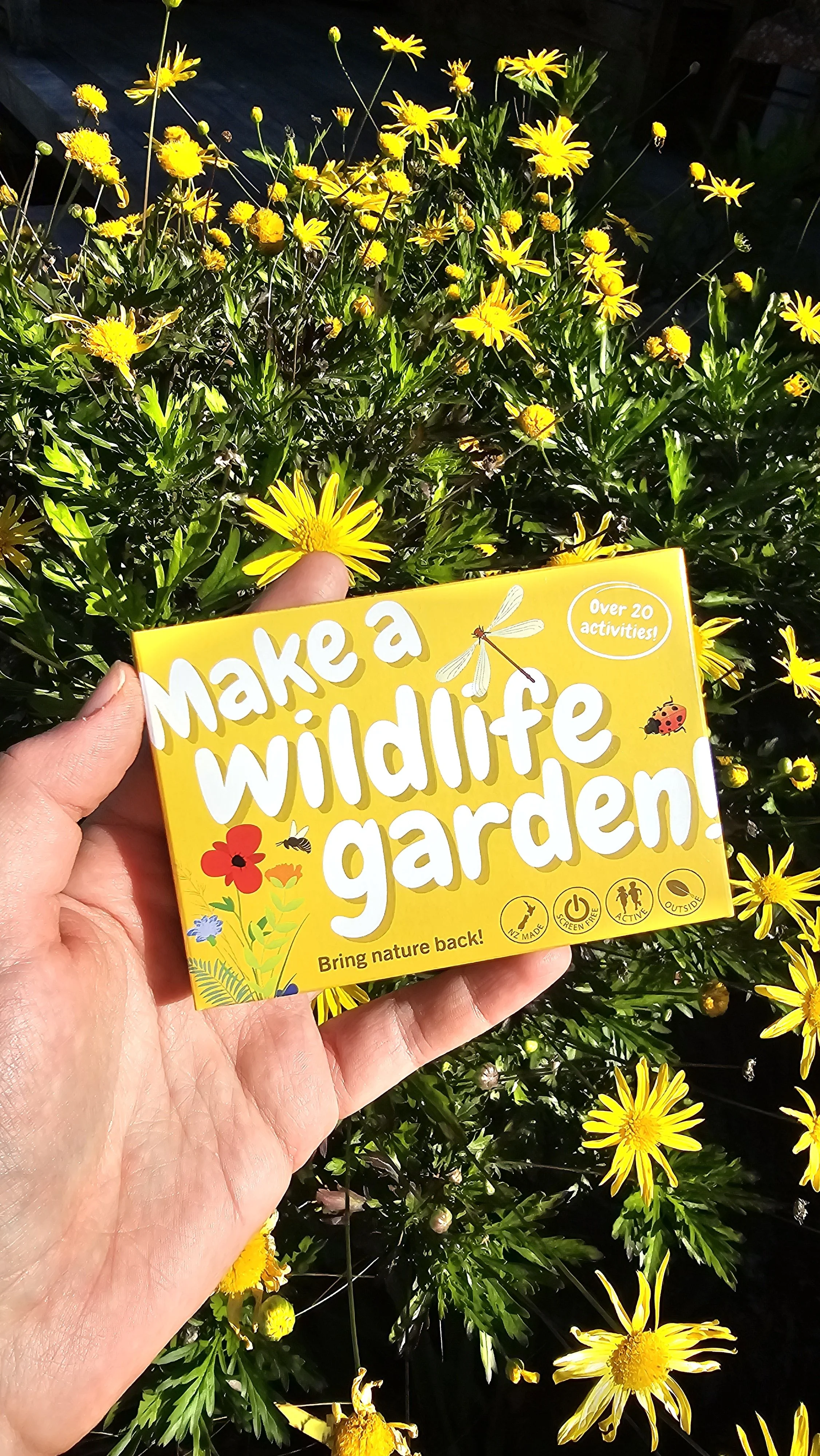
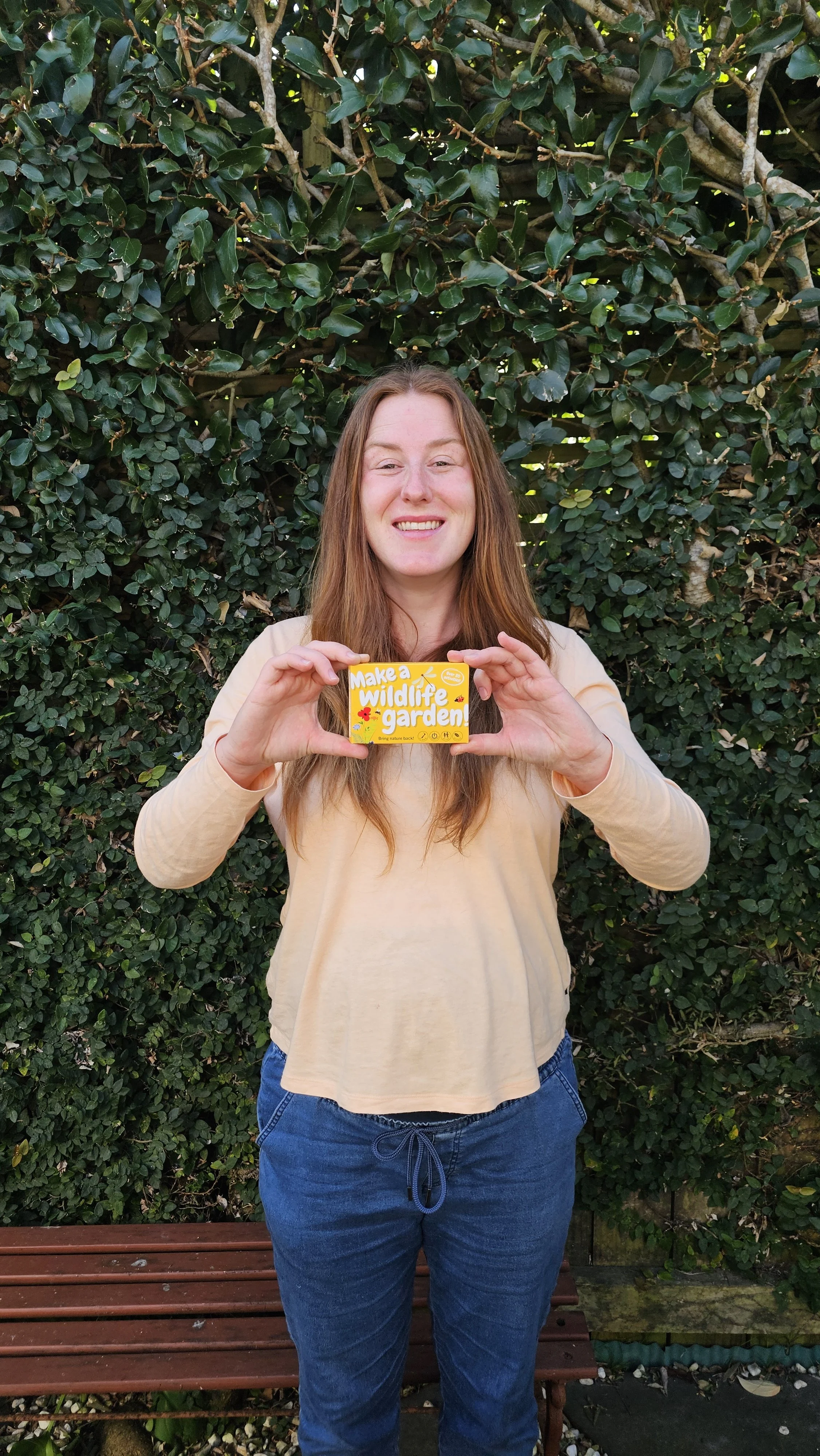
Explore Make a Wildlife Garden here.
Is Make a Wildlife Garden a good gift for dads, grandparents and families?
Tim made a good point when we were talking about this product. Sometimes saying, “Let’s go and have some quality time together” feels weirdly forced. Give a parent and child something to actually do together, though, and the quality time tends to happen all by itself. There’s something to plant, build, investigate and check on again later. The activity creates the connection without needing to manufacture it.
That’s why I think Make a Wildlife Garden works so well as a gift in lots of different ways. A child could give it to Dad for Father’s Day. Dad could give it to the kids. Grandparents could keep one at their place for visits. It could be pulled out during the school holidays, wrapped up for a birthday or put under the Christmas tree.
Because ultimately, the gift isn’t really the pack. It’s what you end up doing together because you opened it.
What else does Sustained Fun make?
Make a Wildlife Garden is just one product in the Sustained Fun range. They’ve got a whole bunch of products designed to get kids playing, noticing, questioning and learning without it feeling like learning.
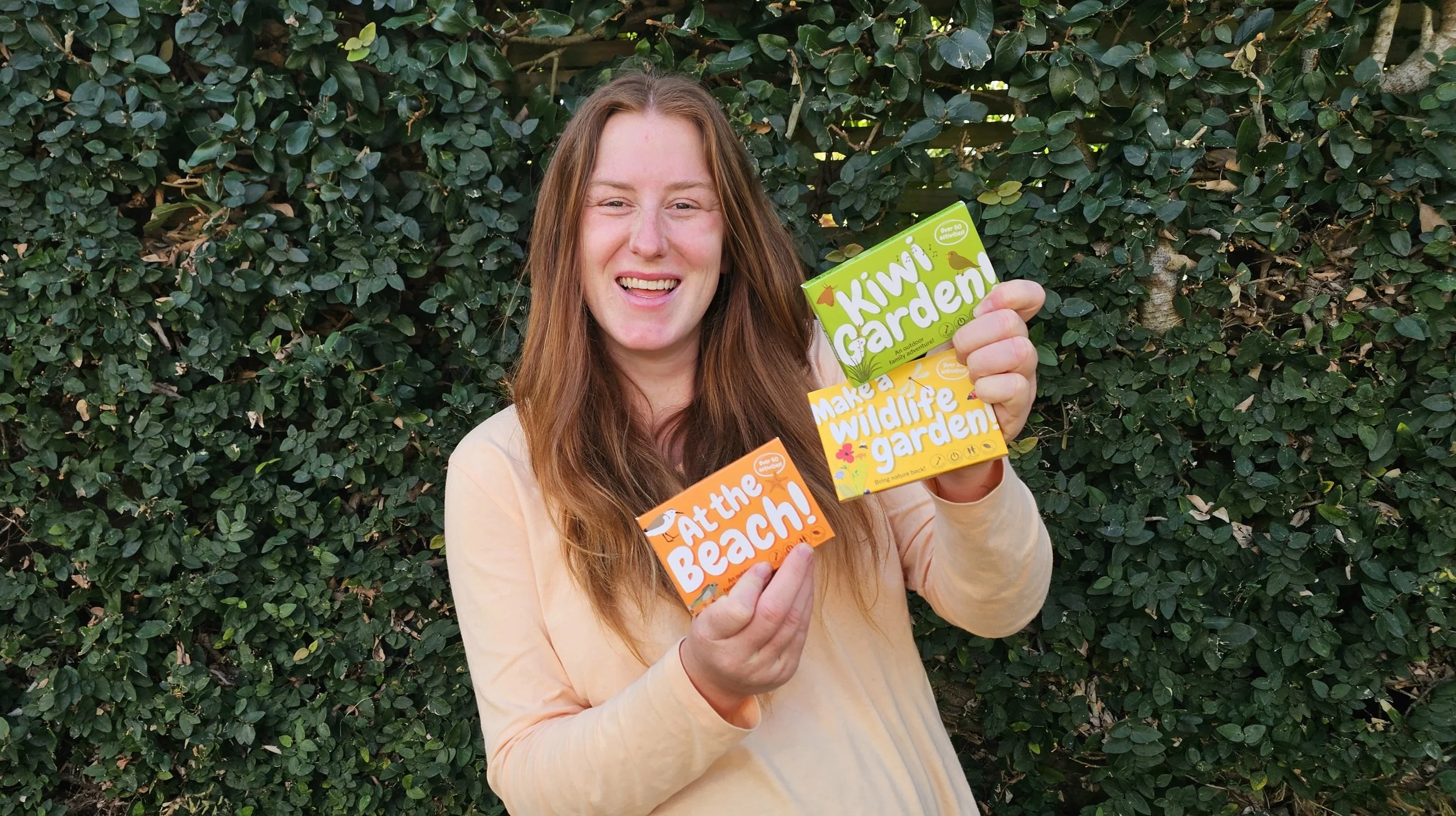
There’s Whale Poo & CO₂, the puzzle I mentioned earlier that makes the carbon cycle surprisingly fun to wrap your head around. Their At the Beach and Kiwi Garden card packs turn places Kiwi kids already know into opportunities to explore and notice what’s around them. Plus there are plenty of other games, puzzles and activities for families who want more screen-free play with a little bit of purpose behind it.
So if gardening isn’t your family’s thing, have a browse. There are lots of different ways to get kids curious about the world they’re growing up in.
Explore all Sustained Fun products here.
Kate's take
After all these years, I keep coming back to Sustained Fun because it feels like they’ve got the balance right. Helen and Anthea are genuinely good people creating thoughtful products that help kids learn about the environment without loading them up with doom and guilt. Their products are designed to be played with, talked about, shared and actually used, rather than becoming another short-lived thing in the toy box.
For me, that’s the sweet spot. Less throwaway stuff. More curiosity. More time outside. More conversations. More memories made together. Hopefully, along the way, we raise kids who care deeply about the world around them because they’ve had the chance to properly experience and enjoy it. That’s something I’m very happy to keep backing.
Use code ETHICALLYKATE for 15% off your entire order!
Shop Sustained Fun here.
Frequently asked questions
What is Sustained Fun?
Sustained Fun is a New Zealand children's brand creating play-based products that help families explore nature, sustainability and big environmental ideas in accessible, age-appropriate ways.
What is Make a Wildlife Garden?
Make a Wildlife Garden is a hands-on family activity pack from Sustained Fun designed to help children and adults create spaces where birds, butterflies, bees and other wildlife can thrive.
What age is Make a Wildlife Garden suitable for?
All the activities need adult participation or guidance. The youngest age for kids is 3-4 years.
What activities are included in Make a Wildlife Garden?
A few examples of activities include ‘Make a bee bath’, ‘Make a bug hotel’ and ‘Make a log pile’.
Are Sustained Fun products screen-free?
Yes. Sustained Fun’s products are designed for screen-free, hands-on play. Depending on the product, kids might be solving puzzles, playing games, exploring outdoors, noticing wildlife or tackling activities together. They encourage curiosity, conversation and problem-solving, while giving families something meaningful to actually do together.
Are Sustained Fun products sustainable?
Sustainability is built into how Sustained Fun designs its products, rather than being an afterthought. Their products are created (without the use of AI) to encourage repeated, hands-on play and learning, rather than being single-use or short-lived. They also make conscious choices around their materials, packaging and production where possible. The PEFC and FSC credentials are listed here:
Card games: PEFC/40-31-5
Whale Poo and CO2: FSC Mix, C020056
Activity books: FSC Mix, C020056
EcoSplat box: FSC Mix, C169186
EcoSplat product: Polyester because it absorbs water, releases it quickly, dries fast, doesn’t go mouldy and is durable. The sustainability in EcoSplat is the reusability and the replacement of single-use water balloons.
How can I talk to my child about climate change without making them anxious?
Start with what they already know, keep the conversation appropriate for their age, and balance the problems with hope and solutions. Give them small, practical ways to participate, like planting something, noticing local wildlife or reducing waste, without making them feel responsible for fixing the planet. We explore this in more detail earlier in this article, and dive even deeper with Helen from Sustained Fun in our podcast conversation.
How can I get my kids more interested in nature?
Start small and make it fun: notice birds, look for insects, grow something, visit the beach, collect natural treasures or tackle a simple backyard project together. Curiosity matters more than creating a formal lesson. Frequently being outside, exposed to these things often, is also a great tool.
What are some sustainable or screen-free gift ideas for kids in New Zealand?
Look for gifts that are made to last, encourage kids to do something, or create an experience rather than simply adding more stuff. Think puzzles and games, nature-based activities, craft or gardening projects, secondhand treasures, or gifting an adventure together. Sustained Fun’s puzzles, card games and activity packs are great examples because they combine screen-free play with curiosity, learning and time spent together.
Where can I buy Sustained Fun in New Zealand?
You can shop the full range directly from Sustained Fun’s online store. Use code ETHICALLY KATE at checkout for 15% off your entire order.