As my grandmother says: Spend money on good shoes and good beds - because if you’re not in one, you’re in the other!
It’s important to have comfortable and practical footwear. But when it comes to finding shoes sustainably and ethically made… barefoot seems like the best option to be honest.
Shoes are one of the most complex products to make. They are made up of several different types of materials (think of the laces, the tips of the laces, the soles, the inner, the bit underfoot, the lining etc.), each with difficult supply chains to trace back, and different ways to recycle.
But: shoes are kinda crucial! Unless you live on a tropical island somewhere.
With this in mind, this is a guide to sustainable shoes. Shoes created by people who are working hard to change the shoe industry for the better. Shoes that are made fairly or with sustainable materials that can be composted or repurposed once you’re finished with them.
These are not perfect sustainable shoe companies - I haven’t found any who are.
You’ll find my own personal review by the ones that I’ve worn myself (some of the shoes have been gifted to me to trial, others I have purchased).
What you need to know before reading this:
Price ranges are in New Zealand dollars.
‘Made in’ refers to where the garments are made, not inclusive of where the fabric is made.
If I have personal experience wearing the shoes, I’ve left a review.
None of these brands are perfectly ethical. No brand, or person, is.

Type: Unisex Sneakers/Loafers
Cost: $130
Main Materials: Organic cotton/natural latex rubber
Made in: Dongguan, China
Returns: Can return unworn shoes within 14 days
Kate’s Review: Move over Converse! Collective Canvas are taking over. They don’t give me any bother on days when I’m out and about, walking from bus stations and hosting events, for up to 14 hours a day. I travelled with them all around the country, and much to my surprise I’ve only had to clean them once too.
Secondhand Footwear
Type: Anything you could ever imagine!
Cost: Could be free, could be $8, could be $1000
Main Materials: Anything that exists in the shoe world, but technically it’s already recycled by you purchasing it secondhand
Made in: Worldwide!
Returns: Don’t return them, pass them on to someone new that will love them.
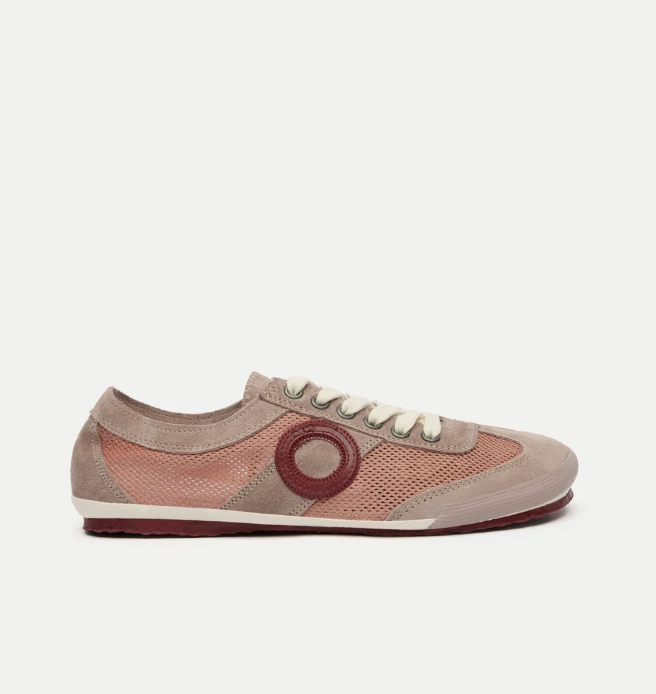
Type: Barefoot sneakers
Cost: $279 - $355
Main Materials: Leather, Suede, Textile Uppers & Natural Rubber Soles
Made in: Romania
Returns: Within 30 days; shoes must be unworn and in original packaging. Return fee applies.

Type: Unisex Sneakers/Runners/Boots
Cost: $160 - $430
Main Materials: Free range leather/eco canvas
Made in: China
Returns: Can return unworn shoes within 100 days
Kate’s Review: Like everyone says, it took a while for my feet to get used to barefoot shoes. However, after 7 morning walks I didn’t want to take them off. I’ve done upwards of 1,500km in my Vivo Barefoot shoes. They’re great and I appreciate their take back scheme too.

Type: Unisex Sneakers/Runners/Loafers/Jandals
Cost: $60 - $255
Main Materials: Merino/Sugarcane/TENCEL
Made in: Korea
Returns: Can return within 30 days, worn shoes donated to people in need
Kate’s Review: The Tree Dashers are great. They are incredibly comfortable, easy to pack when travelling (they squish down) and easy to wash too. I wouldn’t recommend running further than 5km in them, and if you are a regular runner, I don’t think these would be good for you. Walking only.
Image by Nectar Photography

Type: Unisex Sneakers
Cost: $189 - $235
Main Materials: Leather/Canvas
Made in: Rio Grande do Sul, Brazil
Returns: Can return unworn shoes within 28 days

Type: Unisex Sneakers/Jandals
Cost: $23 - $140
Main Materials: Fair trade organic cotton/hemp/rubber
Made in: Sri Lanka
Returns: Can return unworn shoes within 30 days

Type: Unisex Slides/jandals
Cost: $48 - $65
Main Materials: Recycled tyre rubber
Made in: Bali
Returns: Can return unworn shoes within 30 days
Kate’s review: My dog destroyed my pair of Indosole’s that were gifted to me as a PR gift - and I purchased another pair immediately because they’re the best jandals/thongs (whatever you want to call them) I have ever owned. Sturdier than any others I’ve experienced, the Indosole flip flop has slight arch support and the straps don’t rub in any places on my foot.

Type: Unisex Boots
Cost: $219 - $430
Main Materials: Leather
Made in: Dunedin, NZ
Returns: Unknown
Kate’s review: After my previous boots (worn 400+ times and resoled once) began to look too shabby for work attire, I invested in these and will never regret it. They’re sturdy, easy to clean, and comfortable for 16 hour days on my feet. These sustainable boots are the one pair of shoes I take with me when I travel light.

Type: Unisex Sandals/Boots
Cost: $95 - $229
Main Materials: Leather
Made in: Raglan, NZ
Returns: Case by case

Type: Sneakers
Cost: $149
Main Materials: Flax, organic cotton, rubber, cork, coconut husk,
Made in: Indonesia
Returns: Anytime if unworn
Kate’s review: My favourite sneakers. They surprisingly don’t get dirty quickly (though maybe that’s because I am particular about when I wear them) and have a really comfy soul. They are lighter than other organic shoes which can be sometimes a bit clunky. I love the raw material and off white look.

Type: Sneakers, sandals, ballet falts, loafers, heels, espardilles, mules, boots
Cost: $168 - $790
Main Materials: Leather, rubber, cotton,
Made in: Spain & Portugal
Returns: Within 30 days
.

Type: Unisex Gumboots
Cost: $76 - $152
Main Materials: Natural rubber
Made in: China
Returns: Can return unworn shoes within 90 days
Kate’s review: You know those items you get because you like them, and then wear so much you wonder what the heck you wore beforehand? These boots are just like that. They are waterproof and excellent on my bike. I get compliments on them every time I leave the house (maybe because they’re BRIGHT ORANGE) so people feel they need to mention them, hah. I thought they may make my feet sweat too much and get wrinkly after a full day wearing them, but I haven’t found that to be the case.
Georgia’s review: I cannot speak highly enough of these boots. So far I’ve worn them to work (teaching in schools), to university, horse riding, dog walks on the beach, social events, to the markets - the list goes on and on! They are so much more structured and comfortable than I ever expected and are the type of shoe you can wear all day and night very happily. They certainly attract a lot of attention and every time I wear them out I end up telling someone about Merry People. These are one of the best additions to my wardrobe that I’ve ever had.

Type: Sneakers, sandals, slides, boots, platforms
Cost: $39 - $230
Main Materials: Recycled PET, polyester, rubbers, sugar cane
Made in: China
Returns: Within 30 days

Type: Sneakers, sandals, slip ons, boots
Cost: $129 - $499
Main Materials: Leather, rubber, suede, merino wool,
Made in: China
Returns: Within 30 days
Sustainable & Ethical Shoes: Frequently Asked Questions
What makes a shoe sustainable or ethical?
Sustainable shoes are designed and made with consideration for their environmental impact, while ethical shoes prioritise fair treatment of the people involved in making them. Ideally, a shoe brand does both!
But sustainable footwear is complicated. Much more complicated than your average T-shirt.
Think about the shoes you're wearing right now. How many different materials can you spot? There's the sole (often made from several layers), upper, lining, insole, laces, eyelets, glue, stitching, zips and maybe even Velcro (though I hope not!).
Each component has its own supply chain, and finding a genuinely sustainable and ethically made option for every single material is incredibly difficult.
That's why I don't believe in the perfect sustainable shoe. Even the most thoughtful footwear brands make compromises. What matters is that they're transparent about those compromises, take responsibility for their impact and actively work to improve.
The 18 ethical shoe brands I've featured in this guide are examples of businesses making more considered choices about materials, manufacturing and people.
What are sustainable shoes made from?
Sustainable shoes can be made from a surprisingly wide range of natural, recycled and responsibly sourced materials.
Some of the materials you'll find in ethical footwear include organic cotton, hemp, linen, natural rubber, cork, recycled polyester, recycled rubber, responsibly sourced leather and innovative plant-based alternatives made using materials such as pineapple leaves or agricultural waste.
But here's the catch: a sustainable material doesn't automatically make a sustainable shoe.
Recycled plastic can still shed microplastics. Natural rubber still needs to be responsibly sourced. Plant-based leather alternatives sometimes contain plastic coatings. And even natural materials have environmental impacts.
I look for brands that explain why they've chosen particular materials, where those materials come from and how the finished shoes are made.
What are the best sustainable and ethical shoe brands in New Zealand?
The best ethical shoe brand for you depends on what you need: everyday sneakers, barefoot shoes, work shoes, boots or something for a special occasion.
New Zealand shoppers can choose from locally based ethical footwear businesses and international sustainable shoe brands that ship to NZ.
In this guide, I've rounded up 18 sustainable and ethical shoe brands worth exploring, including information about their materials, manufacturing practices, prices and other details to help you compare your options.
My advice? Start with the type of shoe you actually need, then compare the brands rather than buying something simply because it's labelled sustainable.
Are vegan shoes more sustainable than leather shoes?
Not necessarily! Vegan shoes are made without animal-derived materials, but that doesn't automatically make them better for the environment.
Some vegan leather is made primarily from plastics such as polyurethane (PU) or PVC. Other alternatives incorporate materials such as pineapple leaves, cactus or apple waste, although they may still contain synthetic components.
Leather also comes with environmental and animal welfare concerns, including impacts associated with livestock farming and tanning.
Rather than assuming vegan or leather is always the better option, I recommend looking at the entire shoe: its materials, durability, production processes, repairability and what happens at the end of its life.
And of course, if avoiding animal products is important to you, vegan footwear can still be the right choice for your values.
Are barefoot shoes more sustainable than regular sneakers?
Barefoot shoes aren't automatically sustainable, but some barefoot footwear brands are making thoughtful choices about materials and production.
Barefoot shoes typically have a wide toe box, flexible sole and little or no heel-to-toe drop. They're designed to allow more natural foot movement, although they aren't necessarily suitable for everyone.
From a sustainability perspective, the things worth looking for are responsibly sourced materials, durable construction, transparent manufacturing and whether the shoes can be repaired or worn for years.
A minimalist design doesn't necessarily mean a minimal environmental footprint!
Is it sustainable to buy shoes online if they might not fit?
This is something I think about a lot.
Personally, I find buying shoes online tricky. I've been burnt by sizing issues before, and returns mean additional transport, packaging and potentially waste. Not exactly what you're aiming for when buying sustainable shoes!
Thankfully, many ethical footwear brands offer detailed sizing guides, measurements and customer support to help you choose the right size before ordering.
My tips? Measure your feet rather than relying on your usual shoe size, read customer reviews about fit, check the returns policy and contact the brand if you're between sizes.
Sustainable shoe companies don't want unnecessary returns either, so it's in everyone's interest to get the sizing right the first time.
Are sustainable shoes worth the extra money?
Often, yes. But a higher price tag doesn't automatically mean a shoe is ethical or sustainable.
Responsible materials, skilled craftsmanship and better working conditions can cost more. However, expensive shoes can also be poorly made or lack transparency about their supply chains.
I like to think about cost per wear rather than just the price at checkout.
A $250 pair of shoes worn 250 times costs $1 per wear. A $60 pair worn only 20 times costs $3 per wear.
Of course, not everyone can afford the upfront cost of expensive footwear. Buying second-hand, caring for the shoes you already own and choosing durable options within your budget are all worthwhile approaches.
How can I tell if a shoe brand is genuinely ethical or just greenwashing?
Look for evidence, not just lovely words!
Terms like eco-friendly, conscious, green and sustainable can sound impressive, but without supporting information, they don't tell you very much.
I look for brands that explain where their shoes are made, who makes them, what materials they use and what they're doing to reduce their environmental impact.
Independent certifications and auditing programmes can also be helpful. Depending on what they're assessing, examples include Fair Trade certifications, Global Organic Textile Standard (GOTS), Leather Working Group (LWG) audits and recognised factory management standards.
Remember, though, a certification might apply to one material, supplier or facility rather than the entire shoe or brand.
Transparency is a good sign. If a brand can clearly explain its strengths and the areas where it still needs to improve, I'm much more interested.
Can sustainable shoes be recycled?
Sometimes, but footwear recycling is surprisingly difficult.
Most shoes contain multiple materials bonded or stitched together. Separating rubber, foam, textiles, leather and adhesives can be technically challenging and expensive.
Some brands offer take-back programmes or work with specialist recycling partners, but these aren't available everywhere, including in New Zealand.
That's why I encourage people to prioritise keeping shoes in use for as long as possible.
Clean them, repair them, replace the laces, get them resoled where possible, or pass them on if they're still wearable.
When shoes really are beyond repair, check whether a local textile or footwear recycling service can accept them. Don't assume they belong in your household recycling bin.
What's the most sustainable way to buy shoes?
The most sustainable pair of shoes is often the pair you already own.
Before buying new shoes, ask yourself whether your existing ones can be cleaned, repaired or given a little more life.
If you do need another pair, consider second-hand first. If buying new, look for ethical shoe brands making durable, versatile footwear with transparent supply chains and responsibly chosen materials.
Choose shoes you'll genuinely wear, not just shoes that look good on your sustainability checklist.
Ultimately, buying fewer, better things and taking good care of them is one of the simplest ways to reduce the impact of your wardrobe.
And when you do need new shoes, I hope this roundup of 18 ethical and sustainable footwear brands helps you find a pair you can feel good about wearing for years to come.